
Airline Industry: Navigating Turbulence and Soaring to New Heights
The airline industry is a complex and ever-evolving sector, constantly shaped by economic forces, technological advancements, and shifting consumer demands. From budget airlines disrupting traditional models to the urgent need for sustainable practices, understanding the current landscape is crucial for investors, travelers, and industry professionals alike. This article dives deep into the key trends, challenges, and the exciting future of air travel.
Current Trends Shaping the Airline Industry
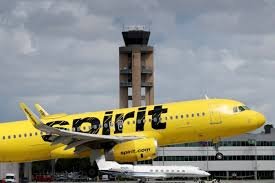
- Rise of Low-Cost Carriers (LCCs): Airlines like Southwest, Ryanair, and Spirit have revolutionized travel by offering significantly lower fares, forcing legacy carriers to adapt and compete.
- Sustainability Initiatives: Growing environmental concerns are pushing airlines to invest in sustainable aviation fuels (SAF), explore electric and hydrogen-powered aircraft, and implement carbon offsetting programs. IATA’s environmental initiatives are a key driver in this area.
- Personalized Travel Experiences: Airlines are leveraging data analytics to offer tailored services, from personalized entertainment options to customized meal choices.
- Digital Transformation: Mobile apps, self-service kiosks, and biometric boarding are streamlining the passenger experience and reducing operational costs.
- Increased Demand for Premium Economy: Passengers are increasingly willing to pay a premium for extra legroom and enhanced comfort, driving growth in the premium economy segment.
Major Challenges Facing Airlines
Despite the growth and innovation, the airline industry faces significant hurdles:
- Fluctuating Fuel Costs: Fuel is a major expense for airlines, and price volatility can significantly impact profitability.
- Economic Uncertainty: Global economic downturns can lead to reduced travel demand.
- Geopolitical Instability: Conflicts and political unrest can disrupt flight routes and impact passenger confidence.
- Labor Relations: Negotiations with pilot unions and other labor groups can be challenging and lead to disruptions.
- Infrastructure Constraints: Overcrowded airports and air traffic control limitations can cause delays and inefficiencies.
The Future of Air Travel: What to Expect
The future of air travel promises exciting advancements:
- Sustainable Aviation Fuels (SAF): SAF is expected to play a crucial role in reducing the industry’s carbon footprint.
- Electric and Hydrogen Aircraft: While still in the early stages of development, electric and hydrogen-powered aircraft have the potential to revolutionize short-haul flights.
- Urban Air Mobility (UAM): The development of flying taxis and other UAM solutions could transform urban transportation.
- Artificial Intelligence (AI) and Machine Learning (ML): AI and ML will be used to optimize flight routes, predict maintenance needs, and enhance customer service.
- Hyperloop Technology: Although not strictly airline related, hyperloop technology could offer a faster and more efficient alternative to air travel for certain routes. Virgin Hyperloop is a leading company in this field.
The airline industry is poised for continued transformation. By embracing innovation, addressing sustainability concerns, and adapting to changing consumer preferences, airlines can navigate the challenges and soar to new heights in the years to come.



