
The Future of Spray: Why the Aerosol Propellants Market is Skyrocketing
From the quick spray of a morning deodorant to the precision application of industrial lubricants, aerosol delivery systems are an invisible but essential part of modern life. Today, the aerosol propellants market is undergoing a massive transformation, driven by a potent mix of consumer convenience, industrial necessity, and a global pivot toward sustainability.
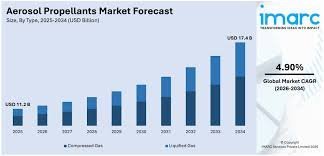
According to recent data from IMARC Group, the global aerosol propellants market was valued at USD 11.2 Billion in 2025. The trajectory looks even more promising, with projections estimating the market will surge to USD 17.4 Billion by 2034, maintaining a steady CAGR of 4.90% between 2026 and 2034.
- 2025 Valuation: USD 11.2 Billion
- 2034 Projection: USD 17.4 Billion
- Growth Rate: 4.90% CAGR (2026-2034)
Key Drivers Fueling Market Expansion
What exactly is pushing this multi-billion-dollar industry forward? The growth is not accidental; it is the result of three primary catalysts:
1. The “Convenience Economy”
Modern consumers prioritize efficiency. The demand for portable, ready-to-use formats—such as shaving foams, hairsprays, and disinfectants—continues to rise. These products rely on advanced mist-generation technology to ensure consistent delivery from the first spray to the last drop.
2. Industrial and Automotive Precision
Beyond the bathroom cabinet, the industrial sector is a powerhouse for propellant demand. Automotive repair shops and manufacturing plants rely on pressurized delivery for:
- Anti-rust coatings and specialized paints.
- Precision cleaners for confined mechanical assemblies.
- High-performance lubricants that reduce chemical waste.
3. The Green Revolution and Regulatory Pressure
Environmental legislation is perhaps the strongest driver of innovation. Strict mandates, such as the European Union’s F-gas regulations, are forcing companies to abandon high global-warming-potential compounds. This has accelerated the adoption of Hydrofluoroolefins (HFOs) and purified compressed gases, ensuring brands stay compliant while meeting corporate sustainability goals.
Comparing Modern Propellant Solutions
Not all propellants are created equal. Depending on the application, manufacturers choose different chemical bases to achieve the desired effect:
- Hydrocarbons (Propane, Butane, Isobutane): The gold standard for mass-market cosmetics due to low cost and excellent solubility.
- Compressed Gases (CO2, Nitrous Oxide): Essential for niche markets. Nitrous oxide is key for culinary foams, while CO2 is vital for medical metered-dose inhalers, ensuring safety and precision for patients.
- Dimethyl Ether (DME): A rising star in eco-friendly formulations. Its high water solubility allows for low-VOC (Volatile Organic Compound) sprays without sacrificing performance.
Conclusion: A Sustainable Path Forward
The aerosol propellants market is no longer just about pushing a product out of a can; it is about chemical engineering and environmental responsibility. As the industry shifts toward non-flammable and low-impact alternatives, the synergy between technical innovation and regulatory compliance will define the winners of the next decade.
For businesses and procurement managers, the focus is clear: prioritizing structural stability and environmental compliance is the only way to maintain a competitive edge in this evolving landscape.



