
Culinary Innovation or Legal Violation? The South Korea Michelin Star Ants Controversy
In the world of haute cuisine, pushing boundaries is often the key to success. However, for one two-Michelin-starred establishment in South Korea, a creative garnish has led to a legal nightmare. The restaurant owner is currently facing significant fines and the possibility of up to a year in prison—all because of a few ants on a dessert.
The Legal Clash: When Fine Dining Hits the Law
While the idea of insects on a menu might seem avant-garde or even unsettling to some, the core of this legal battle isn’t about the “ick factor.” Instead, it centers on South Korea’s highly specific Food Sanitation Act.
In South Korea, the government strictly regulates which insects are safe for human consumption. While the country has a tradition of eating insects—such as beondegi (steamed silkworm pupae)—only 10 specific species are legally permitted. Ants are not on that approved list, and serving them without special government authorization is a violation of the law.
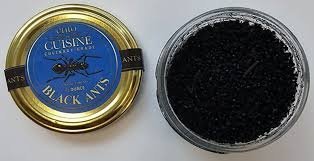
Prosecutors allege that since 2021, the restaurant imported dried ants from the US and Thailand, serving approximately 49,000 ants across 12,200 sherbet dishes. This has resulted in a requested fine of 20 million won (approximately $13,580), based on the profits generated from these dishes.
A Question of Safety: Beyond the Regulations
The controversy deepens when considering food safety. The Ministry of Food and Drug Safety revealed a more alarming detail: the ants used in the restaurant contained heavy metal levels up to 55 times the maximum limit allowed for other edible insects. This transforms the case from a mere bureaucratic oversight into a potential public health concern.
The Global Trend of Edible Insects
Despite this legal hurdle, the use of insects in gastronomy is a growing global movement. Many advocates argue that insects are a sustainable and efficient protein source, requiring far fewer resources than traditional livestock, making them a powerful tool in the fight against climate change.
According to a report by the Food and Agriculture Organization of the United Nations (FAO), over two billion people worldwide already consume insects daily. This trend is migrating toward the West, with the US and European markets seeing significant growth.
Other Notable Examples of Insect Gastronomy:
- n
- Alchemist (Copenhagen): This two-Michelin-starred restaurant has experimented with ant-infused gels and fermented dairy using ants.
- Brooklyn Bugs (New York): Led by Chef Joseph Yoon, this organization promotes everything from tarantula tempura to grasshopper popcorn to shift public perception.
Final Thoughts: Innovation vs. Regulation
The defense for the South Korean restaurant argues that the chef was simply applying techniques common in the US and Europe, unaware that such recipes are legally banned in South Korea. As the verdict looms in September, this case serves as a cautionary tale for chefs: in the pursuit of Michelin-star excellence, local legislation is just as important as the flavor profile.



