
Is Your Car Really Safe? The Rising Threat of High-Tech Auto Theft in Canada
For many Canadian drivers, the simple act of locking the car door used to provide peace of mind. However, a recent survey commissioned by the Équité Association reveals a unsettling reality: the overwhelming majority of Canadians no longer feel their vehicle’s security is sufficient to deter modern thieves.
Despite a general downward trend in vehicle thefts across several provinces, nearly 80% of Canadians believe their cars are vulnerable. The reason? The nature of theft has evolved.
Beyond the Lock: The Shift to High-Tech Theft
Gone are the days when thieves relied solely on crowbars and smashed windows. According to Bryan Gast, Vice President of Investigative Services at Équité, organized crime groups have traded physical tools for sophisticated technology.
Modern criminals now utilize key fob relay attacks and advanced reprogramming software to bypass factory security systems in seconds. This digital evolution means that standard anti-theft features are often outdated before the car even leaves the dealership lot.
The Staggering Numbers: Theft and Recovery in Canada
The scale of the problem remains significant. A report released by the Équité Association highlighted that while thefts saw a sharp decline in 2025, approximately 47,000 vehicles were still reported stolen that year. Even more concerning is the recovery rate:
- n
- National Recovery Rate: Only 59% of stolen vehicles are recovered.
- Ontario & Quebec: In these provinces, only about half of the stolen vehicles ever return to their owners.
- Alberta: While boasting a higher recovery rate (71%), the province often acts as a “feeder,” where stolen vehicles from other regions are registered.
Many of these missing vehicles are either dismantled in “chop shops” or exported illegally, making recovery nearly impossible once they leave the country.
Government Action and the Call for Better Standards
In response, the federal government launched a national action plan aimed to “disrupt, dismantle and prosecute” organized crime rings. This strategy includes stricter criminal penalties, enhanced intelligence-sharing, and more rigorous inspections of shipping containers at ports like Montreal and Halifax.
However, advocacy groups argue that reaction isn’t enough—prevention is key. The Équité Association is calling for robust anti-theft mechanisms to be mandated as standard in every new vehicle sold in Canada. This sentiment is shared by the public, with 60% of Canadians supporting government-mandated protections.
How to Protect Your Vehicle: A Layered Security Approach
Since technology moves faster than legislation, experts recommend a “layered approach” to security. The goal is to make your vehicle a less attractive target by increasing the time and effort required to steal it.
Consider implementing these safety measures:
- n
- Physical Barriers: Whenever possible, park in a locked garage.
- Electronic Safeguards: Use signal-blocking pouches (Faraday bags) for your key fobs to prevent relay attacks.
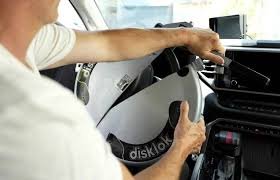
- Advanced Hardware: Install aftermarket immobilizers or steering wheel locks.
- Tracking Systems: Equip your vehicle with GPS trackers to increase the chances of recovery if theft occurs.
For more official data on crime trends, you can visit Statistics Canada to see how the crime severity index is evolving across the country.
Stay vigilant and prioritize prevention—because in the world of modern auto theft, a locked door is just the beginning.



