
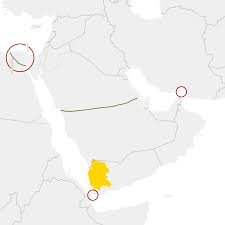
The Bab al-Mandab Strait: A Strategic Global Chokepoint in the Heart of Geopolitical Tension
Known as the “Gate of Tears,” the Bab al-Mandab Strait is far more than just a narrow passage of water. It is one of the most critical maritime chokepoints in the world, acting as the primary link between the Red Sea and the Gulf of Aden, and by extension, connecting the Mediterranean Sea to the Indian Ocean via the Suez Canal.
In an era of globalized trade, any disruption in this small stretch of water can send shockwaves through the global economy, affecting everything from fuel prices to the delivery of consumer electronics.
Why the Bab al-Mandab Strait Matters
The strategic importance of the Bab al-Mandab Strait stems from its geography. Located between Djibouti and Yemen, it serves as a vital artery for international commerce. Here are the primary reasons why this waterway is so essential:
- n
- Global Trade Route: It is the shortest sea link between Europe and Asia, reducing transit time and costs for shipping companies.
- Energy Security: A significant portion of the world’s oil and liquefied natural gas (LNG) passes through this strait, making it crucial for the energy stability of European and Asian markets.
- The Suez Canal Link: Without the Bab al-Mandab, the Suez Canal would lose its primary southern gateway, forcing ships to navigate around the Cape of Good Hope in Africa, adding thousands of miles to their journey.
Current Geopolitical Challenges
Despite its economic value, the Bab al-Mandab Strait is frequently a flashpoint for instability. The region is plagued by several overlapping conflicts that threaten maritime security:
1. Regional Conflict and Terrorism
The ongoing volatility in Yemen has turned the strait into a high-risk zone. The presence of various armed factions and the rise of Houthi movements have led to threats against commercial shipping, including the use of drones and missiles to target vessels.
2. Piracy Concerns
Historically, the waters near the Horn of Africa have been hotspots for piracy. While international naval coalitions have reduced these threats, the vacuum of power in Somalia and Yemen continues to make the area vulnerable.
3. International Military Presence
Due to its importance, global powers—including the United States, China, and France—maintain a strong military presence in Djibouti. This creates a complex diplomatic environment where global superpowers vie for influence over the waterway.
The Economic Ripple Effect of Disruptions
When security is compromised in the Bab al-Mandab Strait, the costs are felt globally. According to the U.S. Energy Information Administration (EIA), disruptions in critical chokepoints lead to an immediate spike in insurance premiums for shipping companies and an increase in global oil prices.
For consumers, this translates to higher costs for goods and energy, proving that a small geographic point can have a massive impact on the global cost of living.
Final Thoughts: The Future of Maritime Security
The Bab al-Mandab Strait remains a symbol of the delicate balance between global commerce and geopolitical instability. Ensuring the free flow of navigation in this region is not just a local concern but a global necessity. As technology evolves and new trade routes are explored, the “Gate of Tears” will continue to be a focal point for international diplomacy and naval strategy.
Stay tuned for more updates on global trade and geopolitical trends that shape our world.



