
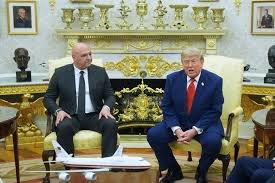
A Strategic Turning Point: The White House Meeting Between the US and Lebanon
In a move that could redefine the geopolitical landscape of the Middle East, President Donald Trump recently hosted Lebanese President Joseph Aoun at the White House. This high-level meeting, held on July 21, 2026, arrives at a critical juncture as the international community seeks a sustainable resolution to the prolonged tensions in the region.
The dialogue centers on a fragile yet hopeful “framework agreement” established in June, aiming to bring long-term calm to Lebanon. The primary objectives of these diplomatic efforts include:
- n
- Israeli Withdrawal: A coordinated plan for Israeli forces to withdraw from significant portions of southern Lebanon.
- Hezbollah Disarmament: The strategic disarmament of the Iran-backed militant group, Hezbollah.
- Sovereignty: Strengthening the Lebanese military’s ability to assert full control over its own borders and territories.
The Shadow of Iran: Conflict and Escalation
While the focus on Lebanon provides a glimpse of diplomatic progress, the broader Middle Eastern context remains volatile. The United States and Iran have seen a sharp escalation in hostilities, with daily strikes becoming a grim reality. Recent events have highlighted the dangers of this friction:
President Trump recently addressed the somber duty of the “dignified transfer” of U.S. soldiers killed in Iranian ballistic missile and drone attacks in Jordan. Furthermore, the administration has signaled a hardline approach toward Iran’s nuclear ambitions, specifically targeting fortified sites near nuclear enrichment facilities.
The conflict has extended to the seas, where the Strait of Hormuz and the Red Sea have become flashpoints. Houthi rebels, backed by Iran, have threatened global oil supplies, forcing ships to reroute and causing a surge in global oil prices, with Brent crude topping $90 per barrel.
Global Economic and Diplomatic Ripples
The instability in the Middle East is not just a regional issue; it is impacting global economies and diplomatic relations. The spike in oil prices threatens to reaccelerate inflation, potentially influencing central banks to raise interest rates, which could slow economic growth across North America and Europe.
On the diplomatic front, the US is diversifying its engagement. Secretary of State Marco Rubio is slated to meet with Chinese Foreign Minister Wang Yi in Manila. This meeting is seen as a crucial precursor to a potential summit between President Trump and Chinese leader Xi Jinping, aiming to maintain communication between the world’s two largest economies amid regional crises.
Looking Ahead: The Path to Peace
The landmark meeting with President Joseph Aoun represents a strategic bet on diplomacy. By mediating between Lebanon and Israel, the United States hopes to create a buffer of stability that could eventually lower the temperature of the wider US-Iran conflict.
Whether these efforts will lead to a permanent ceasefire or if the region is headed toward an all-out war remains to be seen. However, the focus on Lebanon as a pivot point for peace suggests that the administration believes targeted diplomatic wins can pave the way for broader regional security.



