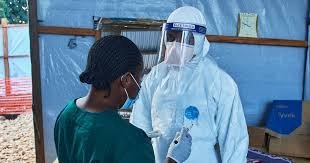
What is Ebola Virus Disease?
Ebola Virus Disease (EVD), formerly known as Ebola hemorrhagic fever, is a severe, often fatal illness in humans. First identified in 1976, this virus has caused significant outbreaks in various parts of the world, particularly in Central and West Africa. Understanding how this virus operates is the first step toward prevention and global health security.
How is Ebola Transmitted?
Ebola is not an airborne virus; it spreads through direct contact. The virus enters the body through broken skin or mucous membranes. Common modes of transmission include:
- Direct contact with the blood or bodily fluids (saliva, sweat, vomit, urine) of an infected person.
- Contact with contaminated objects, such as needles, syringes, or clothing.
- Animal-to-human transmission, typically through contact with the blood or fluids of infected fruit bats or primates.
Recognizing the Symptoms
The incubation period—the time from infection to the onset of symptoms—ranges from 2 to 21 days. Early signs often mimic other tropical diseases, making professional diagnosis crucial. Key symptoms include:
- Initial Stage: Sudden onset of fever, intense fatigue, muscle pain, headache, and sore throat.
- Advanced Stage: Vomiting, diarrhea, rash, and impaired kidney and liver function.
- Critical Phase: In some cases, internal and external bleeding (hemorrhaging) may occur.
Prevention and Protection Strategies
Preventing the spread of Ebola requires a combination of personal hygiene and community vigilance. Here are the most effective ways to stay safe:
- Avoid direct contact with suspected infected persons or animals.
- Practice rigorous hand hygiene by washing hands frequently with soap and water or using alcohol-based hand sanitizers.
- Avoid contact with corpses during funeral rites, as the viral load remains high after death.
- Stay updated on vaccinations: Modern medical science has developed vaccines that have proven effective in controlling outbreaks.
The Global Response and Medical Progress
Thanks to the efforts of international organizations, the management of Ebola has evolved. The development of monoclonal antibody treatments and the implementation of ring vaccination strategies have significantly reduced mortality rates.
For the most accurate and up-to-date information, it is highly recommended to follow guidelines from the World Health Organization (WHO) and the Public Health Agency of Canada.
Conclusion
While Ebola remains a dangerous pathogen, global cooperation and scientific advancement have provided us with the tools to contain it. Education and rapid response remain our strongest weapons in ensuring public safety and health across the globe.