
Abdul El-Sayed: The Progressive Surge and the Battle for Michigan’s Senate Seat
The political landscape in Michigan is currently the epicenter of a fierce ideological struggle. At the heart of this storm is Abdul El-Sayed, a former health official from Ann Arbor whose campaign for the U.S. Senate has become a symbol of the fight between grassroots progressivism and the influence of corporate “dark money.”
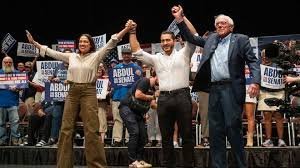
In a high-energy rally at the Detroit Opera House, El-Sayed received a powerhouse endorsement from some of the most influential figures in the progressive movement: U.S. Sen. Bernie Sanders and U.S. Rep. Alexandria Ocasio-Cortez (AOC). This wasn’t just a campaign stop; it was a declaration of a new political direction.
A Rally of Giants: Sanders and AOC Join the Fight
With approximately 2,000 supporters filling the venue, the atmosphere was electric. Sanders, Ocasio-Cortez, and Shawn Fain, president of the United Auto Workers (UAW), stood united in their support for El-Sayed. The narrative was clear: the August 4 primary is not just about one seat, but about the future of American democracy.
Key highlights from the rally include:
- n
- Democracy vs. Oligarchy: Bernie Sanders framed the race as a fundamental choice between the will of the people and the interests of the billionaire class.
- The Politics of the Future: AOC emphasized that El-Sayed represents a shift toward a more inclusive and aggressive progressive agenda, urging voters to choose people over payrolls.
- Worker Solidarity: Shawn Fain delivered a blunt message, calling the primary a “pick-a-side moment” for Michigan Democrats.
n
n
n
The Core Issues: Healthcare and Corporate Influence
Central to Abdul El-Sayed’s platform is a bold commitment to guaranteed government-provided health care for every person in the United States. This vision of universal coverage stands in stark contrast to the more centrist approach of his opponent, U.S. Rep. Haley Stevens.
However, the conversation has shifted from policy to funding. Reports indicate a massive influx of capital into the race, with Stevens benefiting from a significant spending advantage. Much of this has come via Super PACs, including the Federal Election Commission (FEC) regulated groups like the United Democracy Project, which is heavily funded by AIPAC.
“It’s anti-democratic as hell to bring $50 million dollars into an election,” El-Sayed stated, arguing that such spending acts as a “crutch” for campaigns lacking genuine grassroots excitement.
The Counter-Narrative: Socialist Takeover or Necessary Evolution?
The rise of El-Sayed has not gone unchallenged. Republican nominee Mike Rogers has seized on the endorsements from Sanders and AOC to warn of a “socialist takeover,” claiming that policies like defunding the police or eliminating private healthcare would lead the state into a “death spiral.”
Interestingly, El-Sayed himself does not use the label of “democratic socialist,” despite the support from those who do. This distinction highlights a broader nuance within the Democratic Party: a coalition of socialists, progressives, and disillusioned centrists all seeking a more aggressive stance against corporate lobbyists.
Why This Race Matters Nationally
The Michigan primary serves as a litmus test for the Democratic Party’s identity. Will the party lean into the centrist establishment, or will it embrace the bold, systemic changes championed by figures like Abdul El-Sayed? As voters head to the polls, the result will signal whether the American electorate is ready to prioritize human rights—like healthcare—over the financial influence of the elite.
For those following the evolution of U.S. politics, the outcome of this race will provide critical insights into the viability of progressive candidates in swing states and the enduring power of grassroots movements.



