Kyrylo Marsak: Skating Through Adversity at the Milan Cortina Olympics
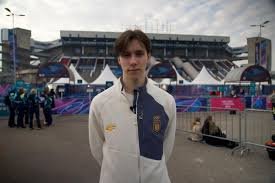
MILAN (AP) — For Ukrainian figure skater Kyrylo Marsak, the road to the Milan Cortina Olympics has been paved with exhaustion, anxiety, and the constant weight of worry for his family back home. As the fourth anniversary of Russia’s full-scale invasion approaches, Marsak is channeling his emotions into his performances, hoping to inspire and represent a nation facing unimaginable hardship.
Last summer, training for the upcoming Olympics, the 21-year-old found himself unable to escape thoughts of his father serving on the front lines, his mother in Kyiv, and his grandparents enduring drone attacks in Kherson, his hometown. Despite the emotional turmoil, Marsak relentlessly prepared for his Olympic debut.
Finding Safety and Strength in Finland
Shortly after the war began, Marsak relocated to Finland to train in a safer environment. However, the conflict’s reach proved long and profound. “It is really affecting the way we live, the way we think, the way we practice as well,” he shared with The Associated Press. Recognizing the toll the situation was taking, Marsak sought help through therapy and medication.
A Song of Connection and Resilience
Marsak’s short program in Milan, performed on Tuesday, was set to Andrea Bocelli and Matteo Bocelli’s moving song, “Fall On Me.” The song resonated deeply with both Marsak and his father, Andriy, representing the unbreakable bond between family, even amidst separation. Marsak last saw his father during the Ukrainian nationals in April, a brief reunion during military leave before Andriy returned to the front lines.
“Even though we cannot see each other, we are still together, we still feel this connection between us,” Marsak explained. The audience responded with enthusiastic applause and Ukrainian flags, celebrating his courage and skill. He achieved a season-best score of 86.89 points, securing his place among the top 24 skaters advancing to Friday’s free skate.
Facing Fierce Competition
Marsak is competing against formidable opponents, including American sensation Ilia Malinin, known as the “Quad God,” and Japanese star Shun Sato. If he progresses, he will wear a costume designed by his mother, who traveled from Kyiv to witness his performance. His free skate program will be set to Labrinth and Zendaya’s “I’m Tired” and “The Feels,” songs that encapsulate his journey as a skater amidst the devastation of war – a war that has even destroyed the ice rink in Kherson where he first learned to skate.
“Thanks to skating, I’m still living,” he said with heartfelt conviction. “It’s the place where I feel alive and where I can show all of my emotions.”
A Nation’s Hope on the Ice
The Russia-Ukraine War has profoundly impacted Ukrainian sports, displacing athletes and interrupting competitions. Despite these challenges, Ukraine has sent a delegation of 46 athletes to Milan Cortina, demonstrating remarkable resilience. Matvii Bidnyi, Ukraine’s minister of youth and sports, emphasized the importance of their presence: “We have the opportunity to raise our flag to show that Ukraine is resilient, Ukraine is still in power. We have a will to win and we continue to be one of the most successful sport teams in the world because success in sports always was a part of the Ukrainian national brand.”
Ukrainian Talent Across Borders
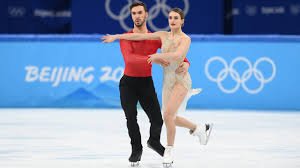
Ukrainian-born ice dancer Vadym Kolesnik is also competing, but representing the United States after obtaining American citizenship last summer. His family has also endured hardship, with his brother serving in the army and his father’s business destroyed. Kolesnik was joyfully reunited with family members in Milan, thanks to a successful GoFundMe campaign. He and his partner, Emilea Zingas, finished sixth in the rhythm dance and will compete in the free dance on Wednesday.
Learn more about the Milan Cortina 2026 Winter Olympics: AP News