
The Battle for the Airwaves: Brendan Carr, the FCC, and the Trump Administration
The landscape of American media is currently facing a period of unprecedented volatility. At the center of this storm is a growing conflict between the White House and major television networks, with Brendan Carr, the Chairman of the Federal Communications Commission (FCC), playing a pivotal role in the regulatory pressure being applied to media outlets.
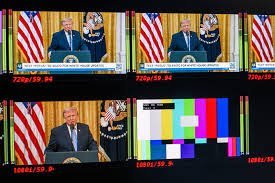
Recently, President Donald Trump escalated tensions by accusing major networks of engaging in a “plot” after some opted not to broadcast his speech on election security. This clash has reignited a fierce debate over press freedom and the government’s power to regulate broadcast licenses.
Threats to Broadcast Licenses and the “Fake News” Narrative
In a series of provocative statements, Trump suggested that networks like NBC and ABC should lose their broadcast licenses for their perceived bias and decision to limit coverage of his addresses. While the Federal Communications Commission (FCC) operates under specific legal frameworks to protect free speech, the rhetoric from the administration suggests a desire to use regulatory tools as leverage against critical coverage.
Critics, including Senator Bernie Sanders, have described these threats as “authoritarian,” arguing that such moves jeopardize the democratic foundation of a free press.
The Late-Night War: Kimmel and Colbert in the Crosshairs
The tension isn’t limited to news desks; it has spilled over into late-night entertainment. The administration has engaged in a high-profile feud with comedians who use their platforms for political satire:
- n
- Jimmy Kimmel: After mocking the President’s response to political tragedies, Kimmel faced intense pressure, leading to a brief, controversial suspension by ABC.
- Stephen Colbert: The cancellation of Colbert’s show by CBS was officially attributed to financial reasons, but industry insiders suggest that political pressure and FCC-related fears may have played a role.
Brendan Carr and the “Equal Time” Controversy
As the head of the FCC, Brendan Carr has become a central figure in this narrative. Carr has spearheaded investigations into whether programs like ABC’s The View have violated the “equal time rule,” which requires broadcasters to provide equivalent opportunities to opposing political candidates.
While ABC argues that The View is a “bona fide” news program exempt from these rules, Carr has maintained that the baseline position should be equal access for all candidates. This regulatory scrutiny has created a “chilling effect” on networks, as seen in the case of Stephen Colbert, who claimed CBS refused to air an interview with a Democratic candidate out of fear of FCC repercussions.
Conclusion: The Future of Press Freedom in the US
The intersection of political power and regulatory oversight, led by figures like Brendan Carr, raises critical questions about the future of the First Amendment in the United States. As the line between news and political targeting blurs, the role of the FCC will be closely watched by journalists and citizens alike.
Whether these moves are legitimate attempts to ensure fairness or strategic efforts to silence dissent remains a point of intense national debate.



