
The Power of a Political Icon: Obama’s Shadow in Michigan
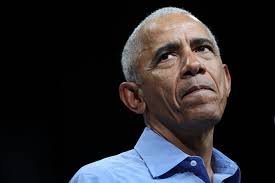
In the high-stakes arena of the Democratic Senate primary in Michigan, one name continues to carry immense weight: Barack Obama. While the former president has not officially issued a formal endorsement in this contentious race, his image and voice have become central weapons in a strategic political battle.
The battle lines are drawn between the moderate Rep. Haley Stevens and the progressive challenger Abdul El-Sayed. While both seek to lead the Democratic ticket, the strategies they employ to win over the electorate could not be more different.
The Strategic Use of the ‘Obama Brand’
Supporters of Rep. Haley Stevens have launched a massive advertising blitz, spending roughly $5 million to air a specific clip nearly 4,000 times. In the footage, Barack Obama praises Stevens for her pivotal role as chief of staff for the US Auto Rescue Task Force during the 2008 financial crisis.
This isn’t just about a pat on the back; it’s a calculated move. In a state where Black voters represent a significant portion of the Democratic base, linking Stevens to Obama’s legacy serves two purposes:
- Establishing Trust: Leveraging the enduring popularity of the 44th president.
- Highlighting Results: Reminding voters of the effort to save Michigan’s iconic automotive industry, which preserved over 200,000 jobs.
Establishment Power vs. Progressive Insurgency
The campaign has sparked a heated debate over voter perception. Critics, including Detroit City Council member Denzel McCampbell, argue that these ads may mislead voters into believing a formal endorsement exists. Conversely, supporters argue that since Obama did actually say those words, it is simply a matter of “giving credit where credit is due.”
The financial disparity in this race is staggering. Outside groups backing Stevens, including the United Democracy Project (funded by AIPAC), have poured over $50 million into the contest. In contrast, Abdul El-Sayed—who has famously rejected corporate PAC money—has seen less than $1 million in outside advertising support.
A Clash of Ideologies
The tension extends beyond advertising budgets to deep-seated ideological divides:
- The Establishment Wing: Represented by Stevens, focusing on electability, traditional alliances, and a proven track record with the Obama administration.
- The Progressive Wing: Represented by El-Sayed, who emphasizes a “working-class agenda” and has garnered the endorsement of the United Auto Workers (UAW) union.
The UAW’s support for El-Sayed adds a layer of irony to the campaign, as Stevens’ main talking point is her role in saving the very industry the union represents. The UAW has even issued cease-and-desist orders against pro-Stevens PACs for the unauthorized use of their logo.
Why This Race Matters for the 2026 Cycle
The winner of this primary isn’t just fighting for a seat; they are fighting for the future of the Senate. The victor will face former Rep. Mike Rogers in the general election. In a crucial battleground state like Michigan, this seat is essential for any hope of Democrats retaking control of the Senate.
As we see throughout the current election cycle, the “political brand” of Barack Obama remains a durable and potent asset. Whether through direct praise or repurposed soundbites, his influence continues to shape who gets nominated and how they are perceived by the American—and specifically, the Michigander—voter.



