
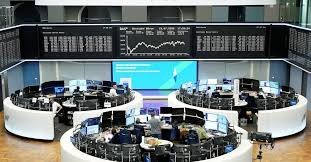
Dow Futures: Your Crystal Ball for the Stock Market
For any serious investor or trader, the opening bell of the New York Stock Exchange is the most critical moment of the day. However, the real story often begins long before the market officially opens. This is where Dow futures come into play, acting as a primary indicator of where the market is heading.
But what exactly are they, and how can you use them to your advantage in the Canadian and global financial landscapes?
What Exactly Are Dow Futures?
Dow futures are essentially financial contracts to buy or sell the Dow Jones Industrial Average (DJIA) at a predetermined price on a specific future date. Because these contracts trade nearly 24 hours a day, they provide a real-time reflection of investor sentiment and expectations regarding the 30 largest blue-chip companies in the United States.
When you see Dow futures rising in the pre-market, it generally suggests that investors are optimistic and the market is likely to open higher. Conversely, a drop in futures often signals a bearish start to the trading session.
Why Should You Track Dow Futures?
Tracking these movements is not just for hedge fund managers; it is a vital tool for retail investors for several reasons:
- n
- Pre-Market Insight: They allow you to gauge market reaction to overnight news, economic reports, or geopolitical events before you can execute trades in the regular session.
- Volatility Forecasting: Significant swings in futures can warn you of high volatility, allowing you to adjust your stop-loss orders or hedging strategies.
- Sentiment Analysis: By monitoring the gap between the previous close and the current futures price, you can identify the overall mood of the market (bullish or bearish).
How to Trade Dow Futures Effectively
While monitoring futures is useful for everyone, trading them requires a more sophisticated approach due to the leverage involved. Here are some key considerations:
- Use a Reliable Broker: Ensure you are using a platform that provides real-time data and fast execution speeds.
- Manage Your Risk: Futures are leveraged instruments. While they can amplify gains, they can also lead to significant losses if the market moves against you.
- Follow Economic Calendars: Stay updated on Federal Reserve meetings and inflation data via CNBC Economy, as these events directly impact futures volatility.
Conclusion: The Strategic Edge
In the fast-paced world of finance, information is the most valuable currency. Understanding Dow futures gives you a head start, allowing you to transition from reacting to the market to anticipating it.
Whether you are a long-term investor or a day trader, keeping an eye on the futures market ensures that you are never caught off guard when the opening bell rings.



