Cyclosporiasis Alert: Understanding the Risks of Imported Produce in Canada and the US
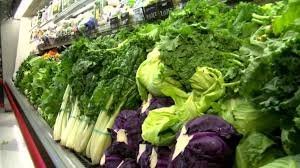
Cyclosporiasis Alert: Is Your Fresh Produce Safe?
Health officials across North America are keeping a close eye on a rise in cyclosporiasis, a parasitic infection that primarily affects the intestines. While a massive outbreak has gripped parts of the United States, Canadian provinces are reporting their own cases, sparking a conversation about food safety and the risks associated with imported raw produce.
What is Cyclosporiasis?
Cyclosporiasis is caused by the Cyclospora cayetanensis parasite. It is typically transmitted through the consumption of contaminated food or water. Because this parasite is often linked to fresh fruits and vegetables, it becomes a significant concern during the spring and summer months when the consumption of raw produce peaks.
Common Symptoms to Watch For:
- n
- Watery diarrhea (the most prominent symptom)
- Abdominal bloating and excessive gas
- Loss of appetite
- General fatigue and nausea
n
n
n
n
The Situation in the United States vs. Canada
The scale of the current outbreak varies significantly across the border. In the U.S., the Centers for Disease Control and Prevention (CDC) has reported thousands of cases, with a particularly severe outbreak in Michigan. Given that a vast amount of Canada’s fresh produce is imported from U.S. agricultural hubs, including California and Mexico, health officials are monitoring the situation closely.
The Canadian Landscape:
Across Canada, the impact has been more fragmented, with most cases linked to international travel rather than a single contaminated source:
- n
- Quebec: Has seen a notable increase in 2026, with 107 cases reported as of July, though most are linked to travel to Mexico.
- British Columbia: Reported 93 cases, which officials describe as “typical” for the season, often linked to both travel and contaminated imported produce.
- Alberta: Confirmed six cases, primarily associated with travel to Mexico.
- Other Provinces: Regions such as Nova Scotia, New Brunswick, and Saskatchewan have reported no cases this year.
n
n
n
n
The ‘California Connection’ and Food Safety
While the current U.S. outbreak is concentrated in specific regions, the general reliance on imported produce from California and other U.S. states means that Canadian consumers are often exposed to the same supply chains. The Public Health Agency of Canada (PHAC) notes that there is usually a seasonal spike in infections linked to imported raw vegetables.
Despite the alerts, the Canadian Food Inspection Agency has stated that there are currently no plans to restrict imports, as no direct link has been established between the U.S. outbreak and the Canadian cases.
How to Protect Yourself
To minimize the risk of foodborne parasites, experts suggest a few simple precautions:
- Wash all produce: Thoroughly rinse fruits and vegetables under running water.
- Consider local options: Supporting local farmers’ markets can reduce the risks associated with long-distance supply chains.
- Grow your own: Many Canadians are turning to home gardening. Growing your own lettuce, tomatoes, and herbs is not only a rewarding hobby but a great way to ensure the purity of your food.
n
n
n
For more detailed information on foodborne illnesses, you can visit the Public Health Agency of Canada website.
📰 You May Also Like