
BC Wildfire Alert: Dry Lightning and Extreme Heat Trigger High Risk Across British Columbia
British Columbia is currently on high alert as a dangerous combination of parched landscapes and unstable weather patterns creates a volatile environment for BC wildfires. Firefighters and meteorologists are warning residents that the province is entering a critical window where a surge in new ignitions is highly probable.
The Menace of ‘Dry Lightning’ in Southern BC
The primary concern for Environment Canada and the BC Wildfire Service is the phenomenon of dry lightning. This occurs when thunderstorms produce lightning strikes, but the air near the surface is so dry that precipitation evaporates before it ever reaches the ground.
Meteorologist Colin Fong explains that this lack of moisture means the ground remains primed for combustion. While the fire season started moderately, the risk is escalating rapidly. Experts warn that a single day of intense lightning activity could trigger up to 150 new fire starts across the region.
High-Risk Zones and Immediate Fire Bans
Current weather tracking shows increasing activity clustered around Osoyoos, Kelowna, and the Alberta boundary. To mitigate the risk of human-caused ignitions, several fire prohibitions have been implemented:
- n
- Kamloops Fire Centre: Category 1 prohibition already in effect.
- Coastal Fire Centre: Implementing a severe Category 1 ban (no campfires allowed).
- Northwest Fire Centre: Category 2 ban in place, restricting all fires except small campfires.
Impact on Boston Bar and the Brunswick Complex
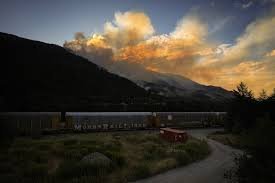
The Brunswick Creek wildfire continues to be a major point of concern. Despite a brief lull caused by cooler temperatures and rain, the complex has seen a spike in activity. Evacuation alerts and orders remain in place for hundreds of properties in the Boston Bar area.
Furthermore, the smoke from these blazes has triggered air quality alerts for the Fraser Canyon region, stretching from Lytton to Dogwood Valley. Residents are advised to limit outdoor activity as smoke can create hazardous health conditions and significantly reduce visibility.
Extreme Heat and Future Forecasts
Adding to the danger, Environment Canada has issued heat warnings for several regions, including the Okanagan, Shuswap, Lillooet, and South Thompson, with temperatures climbing into the high 30s.
While some precipitation is forecasted for later in the week, officials warn that the damage may already be done. Stronger winds accompanying the rain could potentially spread existing fires, adding another layer of complexity to the containment efforts.
Stay Prepared and Informed
As BC continues to battle these challenging conditions, residents are urged to stay vigilant, follow all local fire bans, and keep an eye on official evacuation orders to ensure their safety and the safety of their communities.



