
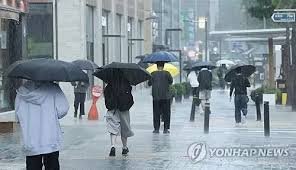
Tomorrow’s Weather: How to Get the Most Accurate Forecasts for Your Day
Have you ever stepped outside thinking it was a sunny day, only to be caught in a sudden downpour? Checking tomorrow’s weather is more than just a routine; it’s a vital part of planning your commute, choosing your outfit, and scheduling outdoor activities. In a world where climate patterns are becoming increasingly unpredictable, knowing where to find reliable data is key.
Why an Accurate Weather Forecast Matters
Whether you are a commuter in Toronto, a hiker in the Rockies, or a business owner planning logistics, an accurate forecast helps you:
- n
- Save Time: Avoid traffic delays caused by unexpected snow or rain.
- Stay Healthy: Prepare for extreme heatwaves or freezing temperatures to avoid health risks.
- Plan Better: Ensure your outdoor events are scheduled for the best possible conditions.
n
n
n
Top Tools to Check Tomorrow’s Weather
Not all weather apps are created equal. To get the most precise predictions for tomorrow, it is recommended to use a combination of global satellite data and local meteorological services.
1. Official Government Sources
For those in Canada, Environment Canada is the gold standard. It provides official alerts and highly localized data that are essential for safety during severe weather events.
22. Specialized Weather Platforms
Platforms like The Weather Network offer detailed hourly breakdowns, which are perfect for pinpointing exactly when rain will start or stop tomorrow.
3. AI-Driven Apps
Modern apps now use machine learning to provide “hyper-local” forecasts, telling you the weather for your specific street rather than just your city.
Key Factors to Watch When Checking the Forecast
When looking at the prediction for tomorrow’s weather, don’t just look at the temperature. Pay attention to these critical indicators:
- n
- The “Feels Like” Temperature: Wind chill in the winter and humidity in the summer can make the actual temperature feel much colder or hotter.
- Precipitation Probability: A 30% chance of rain might mean a light sprinkle, while 80% suggests you definitely need an umbrella.
- UV Index: Crucial for skin protection, especially during the bright Canadian summer months.
- Wind Speed: High winds can affect driving conditions and outdoor stability.
n
n
n
n
Pro Tips for Staying Prepared
To make the most of your weather checks, try these simple habits:
- Check twice: Check the forecast the night before and again first thing in the morning, as short-term predictions often shift.
- Enable Push Notifications: Set up alerts for severe weather warnings to stay safe in real-time.
- Layer Your Clothing: If the forecast shows a wide temperature swing between morning and afternoon, layering is your best defense.
n
n
Final Thoughts
While we can’t control the elements, we can certainly be prepared for them. By utilizing high-authority sources and understanding the nuances of weather data, you can ensure that tomorrow’s weather never catches you off guard.



