
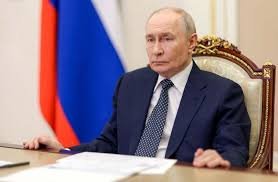
A Bipartisan Front: US Senate Unveils Powerful Sanctions Against Russia
In a significant move to curb Moscow’s ability to fund its ongoing aggression in Ukraine, US senators have unveiled a comprehensive bipartisan Russia sanctions bill. This legislative push is not only a strategic geopolitical maneuver but also a poignant tribute to the late Senator Lindsey Graham, one of the bill’s primary architects.
The legislation, which has been meticulously developed over more than a year, aims to aggressively pressure the Russian government by cutting off vital revenue streams. Senator Graham had expressed immense optimism about the bill just hours before his sudden passing, noting that a critical agreement with the White House had finally been reached.
What the Bill Entails: Targeting the Core of Russia’s Power
The proposed legislation spans over 60 pages and outlines a rigorous framework of mandatory sanctions. If passed, the bill will target several key areas of the Russian economy and leadership:
- n
- Political and Military Elite: Direct sanctions on President Vladimir Putin and other high-ranking Russian leaders.
- Financial Powerhouses: Targeting oligarchs, state-owned enterprises, and foreign companies that facilitate Russia’s defense industrial base.
- The Shadow Fleet: Crackdowns on Russia’s covert shipping operations used to bypass existing oil caps.
- Energy and Finance: Heavy restrictions on energy projects and financial institutions.
The Economic Hammer: Tariffs on Oil and Gas
One of the most aggressive components of the bill is the imposition of tariffs—potentially as high as 100%—on the top five countries that continue to purchase Russian crude oil and natural gas. This specifically targets major buyers such as China and India.
According to Senate aides, the focus is narrow and intentional. Since the majority of Russia’s war chest is filled by energy exports, the bill is designed to strike precisely where it hurts most. There are, however, exemptions for countries importing less than 15% of Russia’s total natural gas, provided they show significant effort in reducing those imports.
Sen. Katie Britt and the Legacy of Lindsey Graham
The emotional weight of this bill is tied closely to the leadership of the late Senator Lindsey Graham. Senator Katie Britt, a key cosponsor of the legislation, shared a touching account of her final conversation with Graham on a Saturday night.
“He was so excited about getting the White House on board with the Russian sanctions bill,” Sen. Katie Britt recalled. “He said that it was going to be the most consequential thing that he has accomplished in his long and storied career.”
The bipartisan nature of the bill is further highlighted by the support of Democratic Senator Richard Blumenthal and Republican Senator Rick Scott, the latter of whom described President Putin as a “thug” and pledged total support for the sanctions.
Next Steps and Political Hurdles
While the bill has the support of President Donald Trump, some friction remains regarding its scope. Trump has suggested adding measures targeting Iran and Hezbollah. However, Senator Blumenthal has urged the Senate to move forward with the current text to avoid delays, arguing that secondary sanctions already implicitly impact entities linked to the Russian defense base, including those in Iran.
With over two dozen cosponsors and strong momentum, Senator Blumenthal believes the bill could be passed before August. For more information on how the US manages international sanctions, you can visit the US Department of the Treasury’s OFAC page.



