Christopher Nolan Rejects the ‘Death’ of the Hollywood Epic: Why Real Cinema Still Wins
In the glittering world of Hollywood, where CGI often replaces reality, Christopher Nolan remains a stalwart defender of the tactile. His latest project, The Odyssey, has sparked a fascinating debate between the director and his leading man, Matt Damon, regarding the survival of the “old-school” cinematic epic.
The Clash of Perspectives: Is the Epic Extinct?
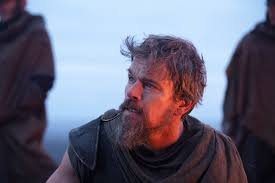
During the press tour for The Odyssey, Matt Damon expressed a sense of nostalgic urgency. For Damon, filming this project felt like a “last chance” to participate in a traditional Hollywood epic—one characterized by massive casts, on-location shooting, and a commitment to practical effects. In an interview with GQ, Damon noted that the resources required for such ambitious filmmaking are rapidly disappearing from the industry.
However, Christopher Nolan views the situation through a much more optimistic lens. While he acknowledges the rarity of such productions, he rejects the “defeatist” notion that the epic is a dying breed. For Nolan, cinema isn’t dying; it is transforming.
“I think cinema is vital and essential and continues to transform itself,” Nolan stated in a recent interview with The Telegraph. “We’ve got all these great new young voices in movies, making the medium their own and moving it forward.”
Defying the “Short Attention Span” Myth
One of the most common criticisms of modern cinema is that younger audiences lack the patience for long, ruminative films. Nolan completely dismisses this theory. He points to the unexpected success of titles like Backrooms and Obsession as proof that Gen Z and Millennials still crave mystery and depth.
Nolan argues that the ability of young viewers to engage with complex, slow-burn narratives—comparing some modern indie hits to the obscure brilliance of David Lynch—proves that a three-hour Greek epic still has a place in the hearts of the public.
The Battle Against “AI Slop”
Perhaps the most contentious point of Nolan’s current discourse is the rise of generative AI in the arts. The director has been vocal about his disdain for what he calls “AI slop”—the generic, soul-less content produced by algorithms.
Surprisingly, Nolan finds hope in the younger generation’s reaction to this technology. He observes a rapid and harsh dismissal of AI-generated art among youth, who can easily spot the lack of authenticity in these digital creations.
Why Handcrafted Cinema Matters Now More Than Ever:
- Tactile Storytelling: A renewed interest in real sets and physical locations over virtual environments.
- Human Creativity: The belief that AI cannot replace the nuance and emotion of human authorship.
- Authenticity: A growing audience preference for “handcrafted” films over algorithmic perfection.
Nolan believes that the current push toward heavily virtual environments has hit a wall, leading to a cultural pivot back toward the real and the tangible.
Conclusion: A New Era for the Big Screen
While Matt Damon may feel a sense of loss for the Hollywood of the past, Christopher Nolan is looking firmly toward the future. By blending traditional craftsmanship with a modern understanding of the audience, Nolan continues to prove that the cinematic experience is far from over.
The Odyssey is set to hit theaters on July 17. For fans of Christopher Nolan’s visionary style, it promises to be a reminder of why we go to the movies in the first place.