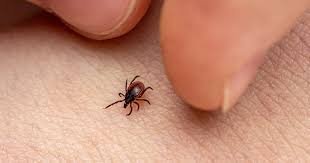
Anaplasmosis on the Rise: Understanding the Tick Spread in Canada
As Canadians embrace the great outdoors, a silent threat is expanding its territory. Recent discussions and reports highlighted by the Canadian Medical Association Journal (CMAJ) have brought renewed attention to the spread of Anaplasmosis, a tick-borne bacterial disease that is becoming increasingly prevalent across various provinces.
Understanding how this disease spreads and recognizing the early warning signs is crucial for anyone spending time in wooded or grassy areas. In this guide, we dive into what you need to know to stay safe.
What Exactly is Anaplasmosis?
Anaplasmosis is an infectious disease caused by the bacterium Anaplasma phagocytophilum. It is transmitted to humans through the bite of an infected black-legged tick (Ixodes scapularis)—the same species responsible for Lyme disease.
While often less discussed than Lyme disease, Anaplasmosis can cause significant illness if left untreated. The bacteria target specific white blood cells, hindering the body’s ability to fight off the infection effectively.
The Growing Tick Spread: Why Now?
According to data analyzed in the CMAJ, the geographical spread of ticks in Canada is expanding. This phenomenon is attributed to several factors:
- n
- Climate Change: Warmer winters and longer springs allow ticks to survive in northern regions where they previously couldn’t thrive.
- Wildlife Migration: Increased movement of deer and rodents, which act as hosts for ticks, carries the parasites into new residential and recreational areas.
- Land Use Changes: Expanding suburban developments closer to forested areas increase the frequency of human-tick encounters.
Recognizing the Symptoms
Anaplasmosis symptoms typically appear 1 to 2 weeks after a tick bite. Unlike Lyme disease, Anaplasmosis rarely produces a characteristic “bullseye” rash. Instead, look out for these flu-like symptoms:
- n
- High Fever and Chills: Sudden onset of intense shivering and fever.
- Severe Headache: Persistent pain that doesn’t respond well to over-the-counter medication.
- Muscle Aches (Myalgia): General soreness and joint pain.
- Fatigue: Extreme tiredness and lack of energy.
How to Protect Yourself and Your Family
Prevention is the best defense against the spread of Anaplasmosis. The Public Health Agency of Canada recommends the following precautions:
- Wear Protective Clothing: Opt for light-colored clothing so ticks are easier to spot. Tuck your pants into your socks.
- Use Repellents: Apply EPA-approved repellents containing DEET or Icaridin on exposed skin.
- Perform Tick Checks: After spending time outdoors, check your entire body, including the scalp and behind the knees.
- Shower Promptly: Showering within two hours of coming indoors can help wash off unattached ticks.
Final Thoughts
The spread of tick-borne illnesses like Anaplasmosis is a growing public health challenge in Canada. However, by staying informed and taking simple preventive measures, you can continue to enjoy the Canadian wilderness safely. If you suspect you have been bitten by a tick or are experiencing symptoms, contact a healthcare provider immediately.