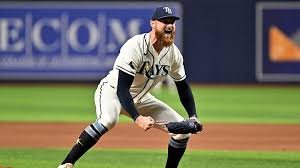
The Curious Case of Bryan Baker: From Baltimore Bullpen to Tampa Bay stardom
In the world of Major League Baseball, few things are as unpredictable as relief pitching. One day you are a middle-relief arm struggling to find consistency; the next, you are a trusted closer and an All-Star. This is exactly the trajectory Bryan Baker has followed, and his journey has sparked a heated debate among baseball analysts and fans alike.
After spending four seasons with the Baltimore Orioles—experiencing a rollercoaster of highs and lows—Baker was traded to the Tampa Bay Rays for a compensatory pick in the 2025 draft. Fast forward one year, and the contrast is staggering: Baker is now a cornerstone of the Rays’ bullpen, while the Orioles’ relief corps has struggled significantly.
The ‘Rays Effect’: Why Bryan Baker Flourished in Tampa
At first glance, it seems like the Orioles committed a cardinal sin by trading away a player who would eventually become elite. However, to understand the Bryan Baker phenomenon, one must look at the Tampa Bay Rays’ legendary reputation for pitching development.
The version of Baker we see today is not the same player who left Baltimore. The Rays are renowned for their advanced analytics and ability to tweak mechanics or optimize pitch mixes to unlock a pitcher’s full potential. This “pitching lab” approach means that many players who are “average” elsewhere become “elite” in Tampa.
Key factors in Baker’s rise include:
- n
- Mechanical Adjustments: Fine-tuning delivery to increase velocity or movement.
- Pitch Mix Optimization: Shifting the usage of specific pitches based on data-driven matchups.
- Psychological Shift: Transitioning into a high-leverage role with the trust of the front office.
Good Business or Bad Luck? Analyzing the Trade
Was trading Bryan Baker a mistake? From a purely transactional standpoint, the answer is no. The Orioles didn’t just cut him loose; they received tangible value. More importantly, they used the assets from their dealings with the Rays to acquire controllable starting pitching in Shane Baz.
In MLB, controllable starting pitching is the most valuable currency. By trading Baker and other assets, the Orioles secured years of potential stability in their rotation. On paper, trading a volatile reliever for a high-ceiling starter is simply “good business.”
The Real Mistake: The Bullpen Void
If the trade itself wasn’t the error, where did the Baltimore Orioles go wrong? The mistake happened after the trade. During the last deadline, the Orioles moved several key arms, including Baker, Seranthony Domínguez, Gregory Soto, and Andrew Kittredge.
This created a massive void in the bullpen. Instead of replicating the Rays’ strategy—finding cheap, under-valued relievers with a track record and “fixing” them—the Orioles opted for arms with virtually no track record, hoping they would simply become good on their own.
Final Thoughts: A Lesson in Roster Construction
The story of Bryan Baker serves as a cautionary tale for front offices everywhere. While trading a player who later succeeds elsewhere is a common occurrence in baseball, the failure to proactively rebuild that depth is what leads to disaster.
The Orioles played the trade market well, but they failed the development market. Until they invest the same resources into their bullpen as the Rays do, they will continue to watch their former players shine in other uniforms.