
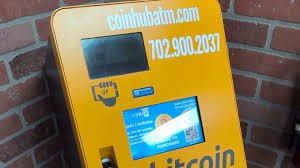
Bitcoin ATM Scams: A Growing Threat to Your Finances
You might think it could never happen to you, or someone you love, but bitcoin ATM fraud is on the rise. Criminals are increasingly using urgent threats and sophisticated tactics to trick individuals into depositing cash into bitcoin ATMs, effectively sending money directly into their hands. If you or someone you know has been a victim of this type of scam, acting quickly is paramount to maximizing your chances of recovering your funds.
How Bitcoin ATM Scams Work
Scammers often employ high-pressure tactics, posing as law enforcement, government officials, or even family members in distress. They create a sense of urgency, demanding immediate payment via a bitcoin ATM to resolve a fabricated legal issue, pay a fake debt, or help a supposed loved one in an emergency. These requests are often accompanied by false documentation designed to appear legitimate.
What to Do If You’ve Been Scammed
Time is of the essence. Here’s a step-by-step guide to follow:
- Contact the ATM Operator: Immediately reach out to the company that owns the bitcoin ATM where the transaction took place. Contact information is usually found on your receipt or directly on the machine. Reporting the fraud promptly can potentially help freeze or track the transaction.
- File a Police Report: Report the incident to your local police department. A police report is crucial for documentation and potential investigation.
- Contact the FBI: The FBI investigates bitcoin ATM fraud through its Virtual Asset Unit. Reporting to the FBI helps law enforcement track scams and potentially prevent future incidents.
- Notify Your Bank: If you withdrew cash from your bank or ATM to fund the transaction, inform your bank immediately. They can monitor your accounts for suspicious activity and offer fraud prevention assistance.
- Report to the IC3: File a report with the Internet Crime Complaint Center (IC3) at ic3.gov. This government agency tracks internet-based scams, including bitcoin ATM fraud, and uses the data to build cases against scam rings. When filing a report, be prepared to provide detailed information about the incident.
What Information Does the FBI Request?
When reporting to the IC3, the FBI requests comprehensive details, including:
- Date and time of the transaction
- Location of the bitcoin ATM
- Amount of money sent
- The scammer’s contact information (if available)
- Any documentation or communication received from the scammer
Recovering Your Money: A Difficult Task
Unfortunately, recovering funds lost to bitcoin ATM scams is often challenging. Cryptocurrency transactions are typically irreversible and can move rapidly across international borders. However, prompt reporting has led to some successful recoveries in Houston, demonstrating the importance of immediate action.
Remember: Legitimate Authorities Will Never Demand Bitcoin
A crucial point to remember: legitimate authorities – law enforcement, government agencies, or courts – will never ask you to pay fines or fees using a bitcoin ATM or any other cryptocurrency. This is a hallmark of a scam.
How to Avoid Bitcoin ATM Scams
Bitcoin ATMs are designed for legitimate cryptocurrency purchases. However, if someone pressures you to deposit money into one for any legal or emergency reason, it’s almost certainly a scam. Always verify information with official sources before taking any action. Be skeptical of unsolicited calls or messages demanding immediate payment in cryptocurrency.



