
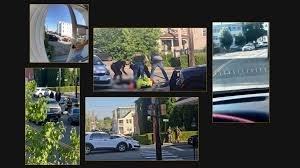
A Sudden Shift in Tactics: Why ICE is Halting Traffic Stops
In a striking reversal of recent enforcement strategies, Immigration and Customs Enforcement (ICE) agents have been directed to suspend the majority of their vehicle-based operations. This decision comes in the wake of two devastating incidents where federal agents fatally shot individuals during a traffic stop, sparking a firestorm of criticism and demands for systemic reform.
The pause in tactics applies specifically to the Enforcement and Removal Operations (ERO) branch, the arm of ICE responsible for arrests and deportations. While agents may still coordinate with partner agencies for criminal warrants, the era of aggressive, random vehicle stops appears to be on a temporary hiatus.
The Tragedy in Biddeford, Maine
The catalyst for this policy shift was the death of Joan Sebastian Guerrero, a 26-year-old father from Colombia. Guerrero, who was authorized to work in the United States and possessed a Social Security number, was shot and killed in his own neighborhood in Biddeford, Maine.
The human cost of this encounter is heartbreaking. Reports indicate that Guerrero’s wife and 3-year-old daughter—still dressed in her favorite pajamas—witnessed the aftermath of the shooting. Local officials confirmed that Guerrero was not the intended target of the immigration operation, raising critical questions about why a traffic stop escalated to lethal force.
A Pattern of Violence: From Maine to Houston
The Maine tragedy followed closely after a similar fatal encounter in Houston, Texas, where 52-year-old Mexican national Lorenzo Salgado Araujo was killed during an ICE vehicle stop. In both instances, the Department of Homeland Security (DHS) cited “public safety concerns,” claiming the victims attempted to flee or “weaponize” their vehicles.
However, these narratives are being challenged by community leaders and legal advocates. The consistency of the “public safety” justification, combined with a lack of transparency, has led many to view these events as a systemic failure of oversight.
The Body Camera Controversy: Funding or Failure?
One of the most contentious points in these investigations is the absence of body-worn cameras. Despite pledges from DHS to rapidly deploy cameras nationwide, the officers involved in the Houston and Maine shootings were not equipped with them.
- n
- The Government’s Stance: DHS claims that consecutive federal shutdowns delayed the distribution of cameras.
- The Critics’ View: Senator Angus King and other lawmakers argue that with the agency’s massive budget, the lack of cameras is an unacceptable failure that protects officers rather than the public.
- The Demand: There is a growing push to mandate body cameras for all ICE agents to ensure that every traffic stop is documented and accountable.
International Condemnation and Political Fallout
The repercussions of these shootings have reached the highest levels of international diplomacy:
- Colombia: Outgoing President Gustavo Petro described the killing of Guerrero as “murder,” asserting that the victim was treated as an “inferior being devoid of rights.”
- Mexico: President Claudia Sheinbaum condemned the deaths of 17 Mexicans in US custody, calling for criminal investigations into these enforcement operations.
Within the US, senators from both parties are now calling for transparent investigations conducted by state and local authorities, rather than allowing the federal government to investigate itself.
Seeking Justice and Transparency
As memorials grow in Biddeford and Houston, the conversation has shifted from simple policy changes to a broader demand for the abolition of ICE or a complete overhaul of how immigration enforcement is handled. For the families left behind, the pause in traffic stop tactics is a small solace compared to the loss of a father and a husband.
For more information on immigrant rights and legal protections, you can visit the ACLU (American Civil Liberties Union) to understand the legal boundaries of federal enforcement.



