US Escalates Military Action: Latest Iran News on Naval Blockades and Strategic Strikes
Tensions Peak in the Middle East: US Forces Launch Fresh Wave of Strikes Against Iran
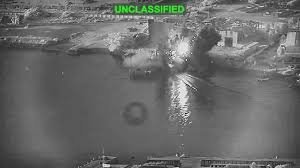
The geopolitical landscape of the Middle East has entered a volatile new phase. In a decisive move to neutralize threats to international shipping, U.S. Central Command (CENTCOM) announced a series of precision strikes targeting critical Iranian military infrastructure. These operations are part of a broader strategy to degrade Iran’s capacity to disrupt commercial maritime traffic in one of the world’s most sensitive waterways.
Strategic Targets and Military Precision
According to official reports, the U.S. military conducted a five-hour mission targeting several key locations across Iran. The strikes focused on coastal defense systems, missile sites, and drone facilities in the following areas:
- n
- Bushehr
- Chah Bahar
- Jask
- Konarak
- Abu Musa
- Bandar Abbas
By employing precision munitions, CENTCOM aims to dismantle the capabilities that Tehran uses to threaten global trade. With over 50,000 U.S. service members currently deployed in the region, the U.S. military remains in a state of high vigilance and readiness.
The Return of the Naval Blockade and the “Hormuz Fee”
Beyond the airstrikes, a significant shift in maritime policy is underway. Under the direction of President Donald Trump, the U.S. is reinstating a naval blockade on Iranian ports. This move follows a previous blockade that operated from April to June, during which over 140 vessels were redirected to ensure safety.
In a bold economic move, President Trump has proposed a 20% fee on cargo moving through the Strait of Hormuz. This levy is intended to offset the massive operational costs required to provide security in this volatile corridor, emphasizing a “pay-for-protection” approach to regional stability.
Rising Hostilities: Attacks on Commercial Tankers
The escalation is not one-sided. Recent events highlight the extreme danger facing commercial vessels in the Arabian Sea and the Strait of Hormuz:
- UAE Tankers Targeted: The tankers Mombasa and Al Bahiyah were reportedly struck by Iranian cruise missiles, resulting in one fatality and several injuries.
- Stolt Magnesium Incident: A chemical tanker operated by Stolt-Nielsen caught fire following an explosion from an unidentified external device off the coast of Oman.
The State of Qatar and the UAE have both condemned these actions as “dangerous escalations” and a blatant violation of international humanitarian law.
Regional Defense and the Nuclear Objective
Allies in the region are also on high alert. The Bahrain Defence Force recently reported the interception of several Iranian aerial aggressions, protecting civilians and private property from missile and drone attacks. The presence of the U.S. Navy’s 5th Fleet in Bahrain remains a cornerstone of this defense architecture.
President Trump defended the aggressive stance, arguing that these strikes are necessary to prevent Iran from acquiring nuclear weapons. He asserted that weakening Iran’s navy, air force, and missile capabilities is the only way to ensure the survival and security of allies like Israel and the wider Middle East.
As the situation evolves, the international community remains watchful of how these military maneuvers will impact global oil prices and regional peace.
📰 You May Also Like