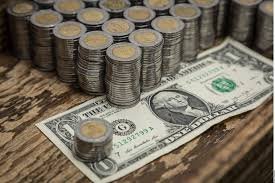
Understanding the Dynamics of the Mexican Peso (MXN)
The Mexican Peso (MXN) has become one of the most watched emerging market currencies in the global financial landscape. Whether you are an investor, a business owner, or someone planning a trip to Mexico, understanding the fluctuations of the peso is crucial for making informed financial decisions.
In recent years, the MXN has shown surprising resilience, often behaving as a proxy for emerging market sentiment. But what exactly is driving its value? Let’s dive into the key factors shaping the currency today.
Key Drivers of the Mexican Peso’s Value
Several macroeconomic factors influence the exchange rate of the Mexican Peso. Unlike some other Latin American currencies, the peso is highly liquid and traded heavily in the foreign exchange (Forex) market.
- n
- Monetary Policy (Banxico): The Bank of Mexico (Banxico) plays a pivotal role. By maintaining higher interest rates compared to other nations, Banxico often attracts foreign capital seeking better yields, which strengthens the peso.
- Trade Relations with the US: As Mexico’s largest trading partner, the health of the US economy directly impacts the MXN. The US-Mexico-Canada Agreement (USMCA) provides a structural framework that supports stability.
- Remittances: The massive flow of money sent by Mexicans living abroad, particularly in the US, provides a steady demand for the peso, acting as a cushion during economic downturns.
The “Nearshoring” Phenomenon: A Game Changer
One of the most exciting trends currently boosting the Mexican Peso is nearshoring. This is the practice of transferring business operations to a nearby country to reduce costs and supply chain risks.
As companies shift their manufacturing hubs away from Asia and closer to the United States, Mexico has emerged as the primary beneficiary. This influx of Foreign Direct Investment (FDI) increases the demand for local infrastructure and labor, subsequently putting upward pressure on the value of the peso.
For more detailed data on global trade flows, you can check the reports provided by the International Monetary Fund (IMF).
Risks and Volatility to Watch
Despite the positive outlook, the Mexican Peso is not without its risks. Investors should keep a close eye on:
- Political Stability: Elections and policy changes within the Mexican government can lead to short-term market volatility.
- Global Commodity Prices: Although Mexico is diversifying, fluctuations in oil prices still impact the national budget and currency perception.
- US Federal Reserve Policy: If the US Fed raises interest rates aggressively, it can lead to capital flight from emerging markets like Mexico back to the US dollar.
Conclusion: Is the MXN a Good Investment?
The Mexican Peso remains a dynamic currency with significant growth potential, largely driven by the structural shift toward nearshoring and a disciplined central bank. However, as with any emerging market asset, it comes with a level of volatility that requires a strategic approach.
To stay updated on real-time exchange rates and market analysis, visiting high-authority financial news sources like Reuters Markets is highly recommended.
Final Thought: Whether you are hedging currency risk or speculating on the MXN, the key is to balance the long-term industrial growth of Mexico against the short-term political and global economic noise.