
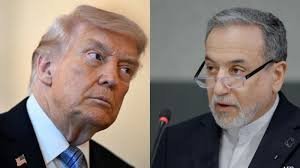
The Strait of Hormuz: Understanding the High Stakes of a Potential Iran Conflict
In the complex theater of global geopolitics, few locations are as strategically critical—and volatile—as the Strait of Hormuz. This narrow waterway, connecting the Persian Gulf with the Gulf of Oman, serves as the world’s most important oil chokepoint. When headlines mention the risk of an Iran war or instability in the region, the eyes of the world immediately turn to this small stretch of water.
Why the Strait of Hormuz is the World’s Most Important Chokepoint
The Strait of Hormuz is not merely a geographic feature; it is the lifeblood of the global energy market. A significant portion of the world’s total oil consumption passes through this corridor daily. For many nations, including those in North America, any disruption here translates directly to volatility at the gas pump.
- n
- Oil Transit: Approximately one-fifth of the world’s total oil petroleum liquids pass through the strait.
- Economic Leverage: Because of its geography, Iran has frequently used the threat of closing the strait as a geopolitical tool to deter foreign intervention or respond to sanctions.
- Global Trade: Beyond oil, the strait is vital for the export of liquefied natural gas (LNG), particularly from Qatar.
The Geopolitical Chess Game: Iran and the West
Tensions between Iran and Western powers, particularly the United States, have simmered for decades. The potential for an Iran war often stems from disagreements over nuclear proliferation, regional influence, and the implementation of economic sanctions.
The risk of escalation is often tied to “gray zone” warfare—tactics that fall below the threshold of open conflict, such as the seizure of commercial tankers or drone strikes. According to reports from Reuters, these incidents serve as warnings that the Strait of Hormuz can be weaponized if diplomatic channels fail.
Economic Ripple Effects: What Canada and the World Face
While Canada is a major energy producer, it is not immune to the chaos of a Middle East conflict. The global oil market is deeply integrated; a spike in Brent Crude prices due to a blockade in Hormuz would lead to an immediate increase in energy costs across Canada.
Potential consequences of a prolonged conflict include:
- Hyper-inflation of Energy Costs: Rapid increases in fuel prices leading to higher transportation and manufacturing costs.
- Market Instability: Increased volatility in global stock markets as investors flee to “safe-haven” assets.
- Supply Chain Disruptions: Delays in shipping and logistics that affect goods beyond just energy sectors.
Is a Full-Scale War Likely?
Most analysts suggest that a full-scale war is less likely than continued strategic tension. The economic cost of closing the Strait of Hormuz would be devastating not only for the West but for Iran itself, which relies on oil exports for national revenue. However, the margin for error is slim, and miscalculations in the region can lead to rapid escalation.
For a deeper dive into the energy statistics and market trends, the International Energy Agency (IEA) provides comprehensive data on how global shifts affect energy security.
Final Thoughts
The tension surrounding the Strait of Hormuz remains a primary concern for global security. As long as the world depends heavily on fossil fuels, this narrow passage will remain a focal point of international diplomacy and military strategy. Staying informed about these developments is crucial for understanding the future of global economic stability.



