Artificial Intelligence News: Christopher Nolan on AI Slop and the Future of Human Creativity in Cinema
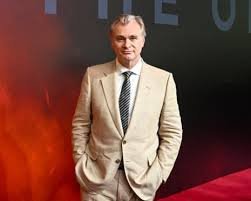
In the rapidly evolving landscape of artificial intelligence news, few voices carry as much weight in the creative world as Christopher Nolan. The Oscar-winning director, known for his commitment to practical effects and cinematic grandeur, is now addressing the industry’s deepest fear: Will AI replace the human artist?
As he promotes his latest blockbuster, an ambitious adaptation of the Greek epic The Odyssey, Nolan offers a refreshing and skeptical perspective on the technology that has sent shockwaves through Hollywood.
The Rise of ‘AI Slop’ vs. Genuine Art
While Wall Street and tech giants have embraced AI with open arms, Nolan points out a fascinating paradox: the general public, especially younger generations, seems to be pushing back. He highlights the emergence of the term “AI slop” to describe the flood of low-quality, AI-generated content currently inundating social media.
“The interesting thing with AI is I’ve never seen a technology that’s been so successfully adopted by investors… that the public has so thoroughly rejected,” Nolan remarked.
For Nolan, the idea that AI could wholesale replace human creativity is simply “nonsense.” While he acknowledges that AI may provide useful imaging tools, he believes the soul of cinema relies on human intuition and experience—something an algorithm cannot replicate.
Ethics and the ‘Oppenheimer’ Parallel
Nolan’s concerns aren’t just artistic; they are ethical. Drawing a parallel to his previous film, Oppenheimer, he compares the current AI trajectory to the dawn of the nuclear age. Just as J. Robert Oppenheimer warned of nuclear proliferation, AI pioneers like Geoffrey Hinton have warned of the existential risks posed by advanced systems.
The director emphasizes employer responsibility, arguing that studios and producers must not use AI as a shield to sidestep accountability or to unfairly replace skilled workers. This tension was a primary driver behind the historic Hollywood strikes of 2023, where writers and actors fought for protections against digital replacement.
‘The Odyssey’: A $250 Million Bet on Human Talent
If you want to see Nolan’s philosophy in action, look no further than The Odyssey. With a massive budget of $250 million, the film is a testament to traditional filmmaking. Instead of relying on AI-generated landscapes, Nolan traveled across the Mediterranean to capture authentic locations.
The film boasts a stellar ensemble cast, including:
- Matt Damon as the legendary Odysseus.
- Zendaya, Tom Holland, and Robert Pattinson in pivotal roles.
- Anne Hathaway adding to the cinematic prestige.
Addressing the Noise: Casting and Criticism
Not all the noise surrounding the film is technological. Nolan has faced criticism from right-wing figures regarding the casting of Lupita Nyong’o as Helen of Troy. However, Nolan dismissed these critiques as “irrelevant,” noting that discussions happening before a film is even seen are based on assumptions, not the actual art.
Nyong’o herself remained poised, stating that the cast is representative of the modern world and that she feels no need to defend her presence in the role.
Final Thoughts: The Future of Cinema
As we continue to follow the latest artificial intelligence news, Christopher Nolan serves as a reminder that technology should be a tool, not a replacement. By prioritizing human interpretation and practical execution, Nolan ensures that cinema remains an experience of human connection rather than a product of a prompt.