
The Power of the Monsoon: More Than Just Heavy Rain
When people hear the word monsoon, they often immediately picture torrential downpours and flooded streets. However, in the world of meteorology, a monsoon is much more than a single storm—it is a seasonal shift in wind patterns that can dictate the survival of millions of people and the health of entire ecosystems.
From the lush landscapes of Southeast Asia to the arid regions of the Southwestern United States, monsoons play a critical role in balancing the Earth’s water distribution. But how exactly do they work, and why are they so influential?
The Science: What Exactly Is a Monsoon?
At its core, a monsoon is caused by the temperature difference between land and sea. Land heats up and cools down faster than water. During the summer, the land becomes significantly warmer than the surrounding ocean, creating a low-pressure area. This vacuum pulls in moist, cool air from the ocean, leading to the characteristic heavy rainfall we associate with the season.
According to National Geographic, these wind reversals happen annually and are essential for replenishing groundwater and supporting vast agricultural sectors.
Global Impact: Where Monsoons Matter Most
While monsoons occur in several parts of the world, their impact varies by region:
- South Asia: The Indian Summer Monsoon is perhaps the most famous, providing the water necessary for crops like rice and tea, which are staples of the regional economy.
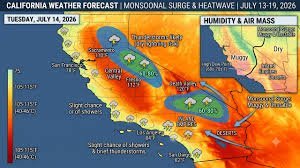
- North America: The North American Monsoon brings crucial moisture to the desert Southwest, including Arizona and New Mexico, helping to mitigate drought conditions.
- Africa and Australia: These regions also experience seasonal shifts that dictate wildlife migration and farming cycles.
The Double-Edged Sword: Benefits vs. Risks
The monsoon season is a paradox of life and destruction. On one hand, it is a blessing for biodiversity and food security. On the other, the intensity of the rain can lead to devastating consequences.
The Pros
- Agricultural Boost: Natural irrigation for millions of hectares of farmland.
- Water Security: Refilling reservoirs, lakes, and underground aquifers.
- Climate Regulation: Helping to cool down overheated landmasses.
The Cons
- Flash Floods: Rapid accumulation of water can destroy infrastructure and homes.
- Landslides: Saturated soil in mountainous regions often leads to dangerous slope failures.
- Health Risks: Increased humidity and standing water can lead to a rise in waterborne diseases.
How to Stay Safe During Monsoon Season
Whether you live in a tropical zone or are traveling during the rainy season, preparation is key. To ensure your safety and the safety of your family, consider these tips:
- Stay Informed: Monitor local weather reports and alerts from authorities like NOAA.
- Maintain Drainage: Ensure that gutters and drains around your home are clear of debris to prevent flooding.
- Emergency Kit: Keep a kit ready with flashlights, batteries, first-aid supplies, and non-perishable food.
- Avoid Floodwaters: Never attempt to drive or walk through flowing water; it only takes a few inches of moving water to sweep a person or vehicle away.
Final Thoughts
The monsoon is a reminder of the sheer power and complexity of our planet’s climate systems. While it brings challenges, it is an indispensable part of the natural cycle that sustains life across the globe. By understanding the patterns and preparing accordingly, we can appreciate the beauty of the rains while minimizing the risks.



