
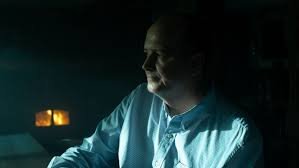
A Deadly Discovery in a Charity Bin
For Charlie Rowley, searching through charity bins in Amesbury, England, was more than a hobby—it was a way to find hidden treasures. But in June 2018, a discovery that seemed like a stroke of luck turned into an absolute nightmare. Rowley found a small, plastic-wrapped box containing a Nina Ricci perfume bottle. Believing he had found an expensive fragrance to surprise his girlfriend, Dawn Sturgess, he took it home, unaware that he was carrying one of the deadliest substances known to man.
What followed was not a romantic gesture, but a devastating sequence of events that linked an ordinary couple to a high-stakes world of international espionage and state-sponsored assassination.
The Moment Everything Changed
On June 28, Rowley gave the gift to Sturgess. He recalls a strange detail: the nozzle was separate from the bottle, requiring him to attach it himself. When Dawn sprayed the liquid, she noticed it had an oily texture and, most puzzlingly, no scent.
- n
- Immediate Reaction: Shortly after applying it to her wrist, Sturgess complained of a headache and feeling “peculiar.”
- The Collapse: Minutes later, Rowley found her unresponsive in the bathtub.
- The Ripple Effect: While Sturgess was rushed to the hospital, Rowley began to succumb to the same toxin, eventually falling into a coma and suffering a stroke.
Dawn Sturgess passed away ten days later. Rowley survived, but his life was permanently altered, leaving him with lasting physical and cognitive impairments.
The Shadow of the Cold War: Novichok and Sergei Skripal
The substance inside the perfume bottle was Novichok, a military-grade nerve agent developed by the Soviet Union. This wasn’t a random accident; it was the collateral damage of a failed assassination attempt.
Three months prior, in the picturesque city of Salisbury, former Russian double agent Sergei Skripal and his daughter Yulia were found slumped on a park bench. They had been targeted by Russian operatives who smeared the nerve agent on their front door. While the Skripals survived, the poison remained in the environment, eventually finding its way into the discarded bottle Rowley discovered.
A City in Panic
The Salisbury poisonings transformed a quiet English town into a forensic crime scene. Hazmat suits became a common sight, and the British government faced a diplomatic crisis. Experts estimate that the amount of poison in that single perfume bottle was enough to kill 10,000 people, highlighting the terrifying potency of chemical weapons.
The Long Road to Recovery and the Search for Justice
Years later, Charlie Rowley still carries the weight of guilt and the physical scars of the attack. He struggles with balance, vision problems, and the loss of use of his left arm. Despite meeting with the Russian ambassador in London, he found no real answers—only “excuses and passing the buck.”
The harrowing details of this case are further explored in the CNN Films documentary, “The Salisbury Poisonings: A Spy Next Door,” which gives a voice to the victims of this geopolitical conflict.
The story of the Salisbury poisonings serves as a chilling reminder that the boundaries between international intelligence wars and civilian life can be dangerously thin, and that a simple act of kindness can be weaponized in the most unimaginable ways.



