
Bridging the Gap: The Intersection of Strategic Infrastructure and Economic Vision
In the current landscape of global economics, Canada finds itself at a critical juncture. With discussions surrounding productivity, sustainable growth, and international trade dominating the headlines, two elements have emerged as symbols of the nation’s future: the intellectual leadership of Mark Carney and the physical manifestation of trade efficiency, the Gordie Howe International Bridge.
While one represents the blueprint for fiscal and environmental strategy and the other a massive engineering feat, together they tell a story of Canada’s ambition to remain competitive in a rapidly evolving North American market.
The Strategic Importance of the Gordie Howe International Bridge
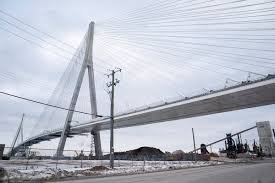
The Gordie Howe International Bridge is not merely a crossing between Windsor, Ontario, and Detroit, Michigan; it is a vital economic artery. As the busiest commercial land crossing between Canada and the United States, the efficiency of this corridor is paramount to the success of the automotive and manufacturing sectors.
Key benefits of the project include:
- n
- Reduced Congestion: Streamlining the flow of goods to prevent costly delays in supply chains.
- Enhanced Trade Capacity: Increasing the volume of trade between the two largest trading partners in the world.
- Economic Stimulus: Creating thousands of jobs during construction and long-term logistics opportunities.
For more details on the project’s progress, you can visit the official Gordie Howe International Bridge website.
Mark Carney’s Vision for Productivity
Mark Carney, the former Governor of the Bank of Canada and the Bank of England, has frequently emphasized that Canada must tackle its productivity gap to ensure long-term prosperity. Productivity isn’t just about working harder; it’s about working smarter through better technology, streamlined processes, and world-class infrastructure.
When we analyze the Gordie Howe Bridge through the lens of Carney’s economic philosophy, it becomes clear that such investments are essential. High-quality infrastructure reduces the cost of doing business, encourages foreign direct investment, and allows Canadian companies to scale their operations more efficiently.
Synergy: How Infrastructure Fuels Economic Leadership
The connection between Mark Carney’s strategic outlook and the Gordie Howe Bridge lies in the concept of Competitive Advantage. For Canada to thrive, it must integrate its trade corridors with a sustainable and forward-thinking economic policy.
Integrating green finance—a passion of Carney’s—with infrastructure projects ensures that Canada doesn’t just grow, but grows sustainably. The bridge represents the physical link, while the economic strategies proposed by leaders like Carney provide the roadmap for what happens once those goods cross the border.
Why This Matters for Canadians
Whether you are a business owner in Ontario or a policymaker in Ottawa, the synergy between infrastructure and economic strategy impacts every citizen. Lower logistics costs lead to more competitive pricing for consumers and higher profit margins for exporters.
Conclusion
The Gordie Howe International Bridge is more than concrete and steel; it is a testament to Canada’s commitment to trade. When paired with the rigorous economic frameworks advocated by Mark Carney, it becomes clear that the path to prosperity is built on a foundation of strategic investment and intellectual leadership.
As Canada continues to navigate the complexities of the 21st-century economy, the focus must remain on bridging the gap between potential and performance.



