
The Art of Local Dining: Redefining the Quebec Farm-to-Table Experience
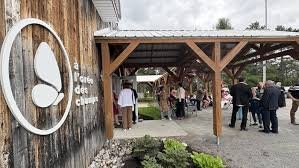
Imagine the scent of fresh spruce and slow-braised meat wafting through the air during a rustic wedding celebration. This is the magic of À l’Orée des Champs in Saint-Nazaire, Lac-Saint-Jean, where guests feast on succulent lamb raised right on the property. This immersive gastronomic experience is the heart of what Quebec calls Tables champêtres.
For decades, these “country tables” have been a symbol of authenticity and local pride. However, as the culinary landscape evolves, so does the definition of what it means to eat locally. According to recent reports from Radio-Canada info, the organization Terroir et Saveurs is currently rethinking the criteria for this prestigious designation.
What Exactly is a Table Champêtre?
Since 1984, the Table champêtre concept has been built on a foundation of transparency and proximity. Currently, there are 35 certified establishments across Quebec. The core appeal lies in the direct connection between the producer and the consumer. When you visit a certified table, you aren’t just eating a meal; you are meeting the farmer and tasting products grown or raised on that very land.
Myriam Larouche, co-owner of À l’Orée des Champs, recalls that when she started 18 years ago, lamb was far less common in Quebec’s local dining scene. Today, it is a staple that provides immense credibility to her business.
A Necessary Evolution for Local Gastronomy
With the rise of competing concepts such as “farm tables,” “country chefs,” and “rural restaurants,” Terroir et Saveurs believes it is time for a modernization. Odette Chaput, the organization’s General Manager, notes that the concept has remained static for 40 years. To stay relevant, they are analyzing customer expectations to better align the certification with modern tastes.
The proposed changes may include:
- n
- Expanding Eligibility: Including restaurateurs who may not be producers themselves but source 100% of their ingredients from neighboring local farmers.
- Focus on Regional Terroir: Shifting the focus from “on-site production” to “territorial sourcing,” ensuring the food reflects the specific land it comes from.
- Maintaining Quality: Ensuring that the essential bond between the producer and the plate remains intact.
The Future of Sustainable Eating in Canada
This repositioning is a logical step toward supporting a broader network of local producers. By allowing passionate chefs to collaborate with nearby farmers, Quebec can expand its culinary map and offer more diverse options for those seeking sustainable, high-quality meals.
As we look forward to the official results of the Terroir et Saveurs analysis this September, one thing is clear: the desire for authentic, transparent, and locally-sourced food is stronger than ever. Whether you are in the heart of Lac-Saint-Jean or exploring the outskirts of Montreal, the spirit of the Table champêtre continues to celebrate the rich bounty of the Canadian soil.
For more updates on regional trends and cultural shifts, stay tuned to the latest insights from Quebec Tourism and the detailed reporting of Radio-Canada info.



