
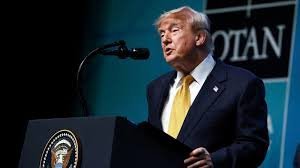
Trump and Truth Social: The Digital Battleground of Modern Politics
In the ever-evolving landscape of digital communication, few platforms have sparked as much debate and curiosity as Truth Social. Launched by former President Donald Trump through the Trump Media & Technology Group (TMTG), the platform was positioned not just as a social network, but as a stand against what its creators call “Big Tech censorship.”
But is Truth Social merely a political tool, or is it redefining how public figures interact with their audience in the 21st century? Let’s dive deeper into the mechanics and the influence of this controversial platform.
The Genesis of Truth Social: More Than Just an App
Truth Social emerged during a period of intense volatility between Donald Trump and mainstream social media giants like Twitter and Facebook. The core objective was to create a “free speech” haven where users could express their views without the constraints of strict content moderation policies.
By establishing his own infrastructure, Trump bypassed the traditional gatekeepers of information. This move represented a significant shift in political communication, allowing a direct, unfiltered line of communication between a leader and his most loyal supporters.
Why Trump’s Truth Social Matters Today
The impact of Truth Social extends beyond simple status updates. It serves as a critical case study in the creation of digital “echo chambers.” Here are a few key reasons why the platform remains relevant:
- n
- Direct Mobilization: The platform allows for rapid mobilization of supporters without the risk of shadow-banning or account suspension.
- Narrative Control: By controlling the medium, Trump can frame news stories and political events before they are analyzed by mainstream media outlets.
- Market Influence: The financial trajectory of TMTG provides insights into how political branding can be converted into market capitalization.
Truth Social vs. Mainstream Platforms: The Great Divide
When comparing Truth Social to platforms like X (formerly Twitter) or Meta, the primary difference lies in the philosophy of moderation. While mainstream platforms struggle to balance safety with freedom of speech, Truth Social prioritizes the latter, often attracting a specific demographic of users who feel marginalized by traditional digital policies.
According to reports from high-authority news sources like Reuters, the fragmentation of social media is leading to a more polarized digital society, where different political groups inhabit entirely different information ecosystems.
The Question of Free Speech
Critics argue that Truth Social does not promote absolute free speech, but rather a specific type of speech. Supporters, however, view it as a necessary corrective to the perceived bias of Silicon Valley. This tension highlights a broader global struggle regarding who gets to decide what is “truth” in the digital age.
Conclusion: The Future of Political Networking
Whether you view it as a bastion of liberty or a political bubble, Trump and Truth Social have fundamentally changed the playbook for political campaigning. The shift toward niche, ideologically aligned platforms suggests that the era of the “digital town square” may be giving way to a series of smaller, walled gardens.
As we move toward future election cycles, watching the evolution of Truth Social will be essential to understanding how the intersection of technology and politics continues to shape the democratic process in the United States and beyond.



