
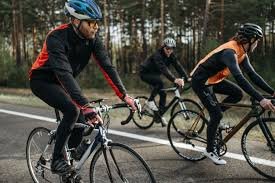
Sharing the Road: The Critical Balance Between Motorists and Cyclists
Every day, our city streets and residential roads become a shared space for drivers and cyclists. While both parties must adhere to traffic laws, there is a stark imbalance in vulnerability. Because motorists operate larger, heavier vehicles, they hold a greater responsibility to prevent severe collisions. Most bicycle crashes aren’t inevitable; they are the result of routine driving mistakes that can be corrected with better awareness and safer habits.
The stakes are high. According to the National Highway Traffic Safety Administration (NHTSA), 1,166 bicyclists lost their lives in traffic accidents across the United States in 2023. These numbers highlight a critical road safety crisis that requires immediate attention from every person behind the wheel.
Common Collision Types: Where Drivers Often Fail
Understanding the mechanics of common accidents is the first step toward prevention. Most bicycle-motor vehicle collisions occur at intersections or during routine maneuvers:
- The Right-Hook: This occurs when a driver passes a cyclist and immediately turns right, crossing directly into the cyclist’s path.
- The Left-Cross: A dangerous scenario where a driver making a left turn fails to notice an oncoming cyclist traveling straight through the intersection.
- The “Dooring” Incident: Common in urban areas, this happens when a driver or passenger opens a parked car door without checking for oncoming traffic, forcing the cyclist into the flow of traffic or causing a direct impact.
- Driveway and Exit Blind Spots: Drivers often look for gaps between cars but ignore sidewalks and bike lanes when pulling out of parking lots.
Proactive Driving: Simple Habits That Save Lives
You can significantly reduce the risk of a crash by modifying a few simple driving practices. Safety is about anticipation, not just reaction.
Essential Safety Checklist for Drivers:
- The Shoulder Check: Never rely solely on mirrors. Always perform a physical shoulder check to clear your blind spots before turning.
- Early Signaling: Signal your intentions several seconds before moving so cyclists have ample time to adjust their speed or position.
- Patient Passing: Avoid squeezing through narrow gaps. If there isn’t enough room to leave a safe clearance, wait until it is safe to overtake.
- Speed Reduction: Slow down in high-risk zones, such as school districts, park entrances, and downtown business corridors. Lower speeds provide more braking distance and better reaction time.
- The “Dutch Reach”: To prevent dooring, open your car door with the hand farthest from the handle. This naturally forces your body to turn and glance over your shoulder.
Technology as a Tool, Not a Substitute
Modern vehicles are equipped with impressive safety tech, such as blind-spot monitoring and automatic emergency braking. While these systems provide an extra layer of protection, they are not foolproof. Heavy rain, darkness, or obstructed views can render sensors ineffective.
A safe driver uses technology as a supplement, remaining vigilant and keeping their eyes on the road and mirrors at all times.
When a Collision Happens: The Importance of an Accident Lawyer
Despite our best efforts, accidents still happen. When a bicycle collision leads to serious injuries, the aftermath can be overwhelming. Navigating medical bills, insurance claims, and liability disputes requires professional expertise.
This is where consulting an experienced accident lawyer becomes crucial. A legal professional can help injured cyclists:
- Understand their legal rights under state and local laws.
- Gather critical evidence, such as traffic camera footage and witness statements.
- Negotiate fair settlements with insurance companies to cover medical expenses and lost wages.
- Ensure that the responsible parties are held accountable.
Conclusion: A Shared Commitment to Safety
Reducing bicycle accidents is about more than just following the letter of the law; it is about empathy and awareness. By anticipating the moves of others and giving cyclists the space they deserve, we can create safer roadways for everyone. Remember: a few seconds of patience can prevent a lifetime of regret.



