
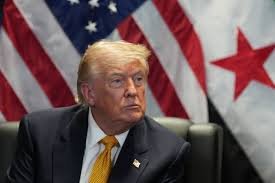
The Trump-Iran Dynamic: A Legacy of Tension and Strategic Pressure
The relationship between the United States, particularly under the leadership of Donald Trump, and the Islamic Republic of Iran has been one of the most volatile chapters in modern diplomacy. Characterized by a shift from negotiation to a policy of “Maximum Pressure,” this era redefined the geopolitical landscape of the Middle East.
The Exit from the JCPOA: A Turning Point
One of the most defining moments of the Trump administration was the unilateral withdrawal from the Joint Comprehensive Plan of Action (JCPOA), commonly known as the Iran Nuclear Deal. Trump argued that the agreement was flawed and failed to address Iran’s ballistic missile program or its influence in regional conflicts.
This move sent shockwaves through the international community, as European allies had largely supported the deal as a way to prevent nuclear proliferation. The withdrawal marked a transition toward a more confrontational stance.
The “Maximum Pressure” Campaign
To bring Iran back to the negotiating table on terms more favorable to the U.S., the Trump administration implemented a strategy known as Maximum Pressure. This approach relied heavily on:
- n
- Economic Sanctions: Severe restrictions on Iranian oil exports, aimed at crippling the regime’s financial capabilities.
- Diplomatic Isolation: Pushing international partners to distance themselves from Tehran.
- Cyber and Intelligence Operations: Increasing pressure on the internal structures of the Iranian government.
For more detailed analysis on international sanctions, you can refer to the Reuters global news coverage on Middle East economics.
Escalation and the Soleimani Incident
The tension reached a fever pitch in January 2020 with the U.S. drone strike that killed Qasem Soleimani, the commander of the Iranian Revolutionary Guard Corps’ Quds Force. This event brought the two nations to the brink of a full-scale war, highlighting the fragility of peace in the region.
Key Impacts of the Escalation:
- Regional Instability: Increased risk of proxy conflicts in Iraq, Syria, and Yemen.
- Oil Market Volatility: Fluctuations in global energy prices due to threats to the Strait of Hormuz.
- Security Concerns: Heightened alert for U.S. embassies and assets across the globe.
Looking Ahead: What Does the Future Hold?
As the political climate in the U.S. evolves, the question remains: will the approach toward Iran continue to be one of pressure, or will there be a return to diplomatic engagement? The legacy of the Trump-Iran conflict serves as a case study in the use of economic leverage versus diplomatic treaty-making.
Understanding these dynamics is crucial for anyone following world news and the intricate balance of power in Asia and the Middle East.
Conclusion: The interaction between Trump and Iran was more than just a political disagreement; it was a clash of fundamental ideologies regarding sovereignty, security, and global leadership. Whether through sanctions or dialogue, the outcome of this struggle continues to influence global stability today.



