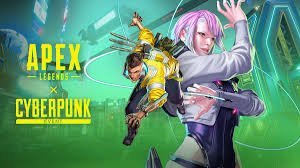
Cyberpunk Explained: The Fascinating World of High Tech and Low Life
When you think of the word cyberpunk, your mind likely jumps to rain-slicked streets, towering neon billboards, and humans with chrome limbs. But beyond the striking aesthetic, cyberpunk is more than just a visual style—it is a profound social commentary on the intersection of humanity and technology.
At its core, the genre is summarized by the phrase “high tech, low life.” This paradox describes a world where cutting-edge technological advancement exists alongside social decay, extreme poverty, and systemic corruption. It is a mirror held up to our own society, questioning where we are headed as AI and biotechnology continue to evolve.
What Exactly is Cyberpunk?
Cyberpunk is a subgenre of science fiction that focuses on a futuristic setting where advanced technology—specifically cybernetics and artificial intelligence—is commonplace, but the quality of life for the average citizen has plummeted.
Unlike traditional space operas that look toward the stars, cyberpunk looks inward and downward. It focuses on the “street” level of society, featuring anti-heroes, hackers, and mercenaries who navigate the cracks of a world controlled by monolithic entities.
Key Elements of the Cyberpunk Genre
To truly understand the cyberpunk atmosphere, we must look at the recurring themes that define its narrative and visual identity:
- n
- Megacorporations: In cyberpunk worlds, governments are often obsolete, replaced by all-powerful corporations that own everything from the air you breathe to your memories.
- Cybernetics and Transhumanism: The blurring line between man and machine. From neural interfaces to prosthetic limbs, the focus is on how augmenting the body changes the soul.
- The Digital Frontier: The concept of “Cyberspace”—a virtual reality where data is the most valuable currency and hackers are the new rebels.
- Urban Decay: Overpopulated, claustrophobic cities where luxury penthouses loom over sprawling slums.
The Cultural Legacy: From Literature to Gaming
The genre gained momentum in the 1980s, heavily influenced by authors like William Gibson, whose novel Neuromancer essentially codified the cyberpunk tropes we know today. This literary movement paved the way for cinematic masterpieces like Blade Runner, which defined the “neon-noir” look.
In the modern era, the influence of cyberpunk is more visible than ever. Games like Cyberpunk 2077 and anime series like Ghost in the Shell have brought these complex philosophical questions—such as “What defines a human?”—to a global audience, blending high-octane action with existential dread.
Is Cyberpunk Becoming Our Reality?
While we may not have flying cars in every garage, many elements of the cyberpunk vision are manifesting in the real world. The rise of Artificial Intelligence, the development of brain-computer interfaces like Neuralink, and the unprecedented power of Big Tech companies make the genre feel less like fiction and more like a warning.
The enduring appeal of cyberpunk lies in its ability to warn us about the dangers of unchecked capitalism and technological dependency, urging us to maintain our humanity in an increasingly digital world.
Final Thoughts
Cyberpunk is not just about the neon lights and the chrome; it’s about the struggle of the individual against an oppressive system. Whether you are a fan of the aesthetic or the philosophy, the genre continues to challenge us to think about the future we are building today.