
Iran War: US Launches Massive Strikes as Strait of Hormuz Tensions Explode
The geopolitical landscape of the Middle East has been thrust back into chaos. In a swift and decisive escalation, the United States has launched a wave of military strikes targeting nearly 100 locations within Iran. This aggressive response follows a series of Iranian attacks on commercial trade vessels in the Strait of Hormuz, one of the world’s most critical maritime chokepoints.
President Donald Trump has officially declared that the previous ceasefire with Tehran is “over,” signaling a shift from tentative diplomacy to active military confrontation. With the world watching, the risk of a full-scale Iran war has become a pressing global concern.
The Catalyst: Chaos in the Strait of Hormuz
The current escalation was triggered by Iran’s decision to target commercial shipping. According to reports, at least three vessels were struck between Monday and Tuesday. The Strait of Hormuz is a vital artery for global energy, carrying approximately one-fifth of the world’s traded oil. Any disruption here sends shockwaves through the global economy.
U.S. Central Command (CENTCOM) emphasized that these actions were “unjustified aggression” against civilian crews and international navigation, necessitating a hard-hitting response to ensure the freedom of the seas.
The U.S. Military Response: 100 Targets Hit
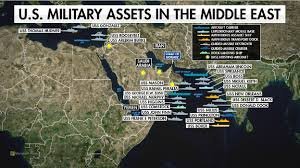
The U.S. military didn’t hold back. In a coordinated effort, forces struck approximately 90 to 100 military targets across Iran. The primary goals were to degrade Tehran’s ability to threaten shipping and dismantle its offensive capabilities. Key targets included:
- n
- Air Defense Systems: Neutralizing radar and missile interceptors.
- Naval Infrastructure: Destroying coastal surveillance and logistics hubs.
- IRGC Assets: Eliminating dozens of small boats used by the Islamic Revolutionary Guard Corps to harass ships.
- Missile & Drone Sites: Striking storage facilities to prevent further regional attacks.
n
n
n
n
President Trump has adopted a “20 to 1” retaliation strategy, warning that any further Iranian aggression will be met with an even more devastating response. For more details on U.S. military operations, you can visit the official U.S. Central Command website.
Global Economic Impact: Oil Prices Surge
As the threat of an extended Iran war looms, the energy market has reacted predictably. Oil prices climbed sharply following the strikes, with both WTI and Brent crude futures seeing significant gains. Market analysts warn that if the Strait of Hormuz remains a combat zone, energy costs for consumers worldwide could skyrocket.
Regional Fallout: Kuwait, Bahrain, and the NATO Summit
The conflict is not contained within Iranian borders. The ripples of the U.S. strikes have triggered a wider regional crisis:
- n
- Kuwait: Air defenses have been on high alert, intercepting over a dozen Iranian missiles and UAVs.
- Bahrain: Air raid sirens were activated, forcing residents into shelters as fears of retaliation grew.
- Qatar: The Qatari foreign ministry strongly condemned Iran’s actions as a “blatant violation” of sovereignty.
n
n
n
Meanwhile, at the NATO summit in Ankara, Turkey, the alliance’s unity was tested. While NATO Chief Mark Rutte described the U.S. response as “absolutely necessary,” tensions arose regarding defense spending and the strategic importance of territories like Greenland.
Political Divide: Trump vs. The Critics
Inside the U.S., the escalation has sparked a fierce political debate. While the Trump administration argues that this is a necessary measure to stop a “terrorist regime,” critics like Senator Bernie Sanders have called for an immediate end to the hostilities, labeling the strategy as “reckless” and a waste of taxpayer dollars.
Adding to the complexity is the internal power struggle in Tehran. Following the death of the previous Supreme Leader, authority appears fractured between the IRGC commanders and civilian officials, making it unclear if any one person in Iran can actually enforce a lasting peace deal.
What Happens Next?
The world now waits to see if Iran will deliver the “hard slap” promised by its parliament or if the pressure from U.S. strikes and revoked oil sanctions will force Tehran back to the negotiating table. One thing is certain: the stability of the Middle East—and the global economy—hangs in the balance.
Stay tuned for further updates on the Iran war and the evolving situation in the Strait of Hormuz. For real-time geopolitical analysis, Reuters remains a primary source for verified international news.



