The Tesla Revolution: More Than Just Electric Cars
When people hear the name Tesla, the first thing that comes to mind is usually a sleek, silent electric car accelerating from 0 to 60 mph in a few seconds. However, Tesla is far more than an automotive manufacturer; it is a powerhouse of sustainable energy and cutting-edge technology that is fundamentally altering the global transport landscape.
From challenging the dominance of internal combustion engines to rethinking how we store energy in our homes, Tesla’s mission is clear: to accelerate the world’s transition to sustainable energy. But how exactly is Tesla achieving this, and what makes their approach so disruptive?
A Versatile Lineup: From Luxury to Utility
Tesla’s success is built on a strategic product ladder that caters to different market segments, ensuring that electric vehicles (EVs) are seen as desirable rather than just a compromise for the environment.
- n
- Model S: The luxury sedan that proved EVs could be high-performance and long-range.
- Model 3: The game-changer that brought electric mobility to a broader, more affordable audience.
- Model X: An SUV that blends utility with futuristic design (famous for its falcon-wing doors).
- Model Y: A compact SUV that has quickly become one of the best-selling vehicles globally.
- Cybertruck: A bold, stainless-steel exoskeleton vehicle that redefines the concept of a pickup truck.
The Secret Sauce: Software, Autopilot, and AI
What truly separates Tesla from legacy automakers is its approach to software. While other companies treat the car as hardware with some electronics added, Tesla treats the car as a computer on wheels.
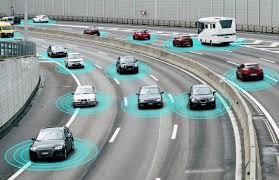
The introduction of Over-the-Air (OTA) updates allows Tesla to improve vehicle performance, fix bugs, and add new features remotely. Furthermore, Tesla’s commitment to Autopilot and Full Self-Driving (FSD) technology pushes the boundaries of artificial intelligence, aiming for a future where traffic accidents are minimized and commutes are effortless.
Beyond the Road: The Energy Ecosystem
To truly achieve sustainability, Tesla recognizes that the electricity powering the cars must also be green. This is where their energy division comes into play. By integrating Tesla Solar Panels and the Powerwall (a home battery system), Tesla is creating a closed-loop energy ecosystem.
Imagine a home that generates its own power from the sun, stores the excess in a battery, and uses that clean energy to charge a vehicle—all managed by a single intelligent system. This vision is the core of Tesla’s long-term strategy.
The Impact on the Global Automotive Industry
Tesla’s influence is visible in every major car brand today. The rapid shift toward electrification by giants like Volkswagen, GM, and Ford was catalyzed by Tesla’s proof of concept. According to industry analysts, the competition sparked by Tesla has accelerated the development of battery technology and charging infrastructure worldwide.
Conclusion: The Road Ahead
Whether you are a fan of Elon Musk or a skeptic of the hype, it is impossible to deny Tesla’s impact. By merging luxury, performance, and sustainability, Tesla has turned the electric car into a status symbol and a viable alternative for millions.
As the company continues to innovate in robotics (Optimus) and autonomous transport, the world will be watching. Tesla isn’t just building cars; it’s building the infrastructure for a cleaner, smarter future.