
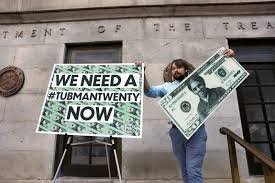
Harriet Tubman on the $20 Bill: A Symbol of Freedom and Justice
For decades, the United States currency has served as more than just a medium of exchange; it is a canvas reflecting the nation’s values, history, and identity. One of the most discussed updates in recent years is the proposal to feature Harriet Tubman on the $20 bill. This move represents a significant shift toward inclusivity and the recognition of heroes who fought for human rights.
Who Was Harriet Tubman?
Before diving into the currency debate, it is essential to understand why Tubman is the ideal candidate for this honor. Harriet Tubman was an escaped enslaved woman who became a “conductor” on the Underground Railroad, risking her life repeatedly to lead dozens of enslaved people to freedom.
Beyond her work with the Underground Railroad, she served as a scout, spy, and nurse for the Union Army during the Civil War, proving her courage and strategic brilliance in the fight against slavery.
The Push for Representation on the $20 Bill
The movement to place Harriet Tubman on the $20 bill isn’t just about aesthetics; it’s about historical justice. For years, activists and policymakers have argued that the current portrait of Andrew Jackson—a slave owner—does not align with the modern American spirit of liberty and equality.
Why the Change Matters:
- n
- Visibility: Featuring a Black woman on one of the most widely circulated bills sends a powerful message about the contributions of marginalized groups to American history.
- Education: Currency is a daily touchpoint. Seeing Tubman’s face prompts citizens and students to learn about the struggle for abolition.
- Symbolism: It transitions the bill from a symbol of power and ownership to a symbol of liberation and bravery.
Current Status: Is the Change Happening?
The process of redesigning US currency is complex and managed by the U.S. Department of the Treasury. While the initiative was formally announced and gained momentum, the timeline has faced several political hurdles and administrative delays.
Despite the setbacks, the sentiment remains strong. The Treasury has reaffirmed that the redesign is intended to reflect the diversity of the American people, though the exact release date of the new notes continues to be a subject of speculation and political debate.
The Impact on American Culture
Replacing a founding-era figure with a freedom fighter like Harriet Tubman sparks a larger conversation about whom we choose to honor. It challenges the narrative of American history, moving away from a focus solely on political leaders and toward those who fought for the fundamental rights of all citizens.
Key Takeaways of the Redesign:
- Redefining Heroism: Shift from institutional power to grassroots bravery.
- Modernizing Values: Aligning national symbols with equality and justice.
- Global Image: Presenting a more inclusive version of the United States to the world.
Conclusion
The prospect of seeing Harriet Tubman on the $20 bill is more than a financial update—it is a cultural milestone. By honoring a woman who dedicated her life to the liberation of others, the United States acknowledges that the true architects of freedom are often those who fought the hardest to achieve it.



