
The Ankara Shake-up: Trump, Erdoğan, and a NATO in Transition
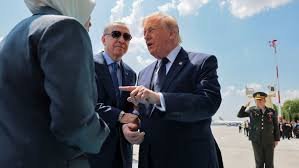
The geopolitical landscape shifted significantly this week as US President Donald Trump landed in Ankara, Turkey, for a critical NATO summit. While the alliance has been strained by years of tension, the arrival of the US president—greeted by a stunning turquoise carpet and full military honors—underscored the unique and powerful relationship between Trump and President Recep Tayyip Erdoğan.
From the potential sale of advanced stealth fighters to the desperate need for air defenses in Ukraine, the summit in Turkey is proving to be more than just a diplomatic formality; it is a pivot point for global security.
The F-35 Gamble: A New Era for US-Turkey Relations?
One of the most contentious issues on the table is the sale of F-35 fighter jets to Turkey. Despite a long-standing congressional ban resulting from Turkey’s purchase of the Russian S-400 air defense system, Trump expressed a strong inclination to reverse the decision.
Trump praised Erdoğan as a “strong leader” and a loyal ally, suggesting that the US has an obligation to fulfill previous military hardware orders. Furthermore, the US president signaled his intent to lift sanctions on Turkey, stating, “We don’t want to sanction friends.”
However, this move has not gone unnoticed. Israel, a close US ally, has expressed deep concerns that arming Turkey could upset the military power balance in the Middle East, potentially eroding Israel’s qualitative military edge.
Ukraine in Focus: Peace Hopes vs. Battlefield Realities
Amidst the diplomatic flurry, the war in Ukraine remains a focal point. Trump expressed optimism about a peace deal between Russia and Ukraine, claiming that both Vladimir Putin and Volodymyr Zelensky want to settle the conflict.
- n
- Trump’s Vision: The US president reiterated his desire to stop the “carnage” of the war, though he noted that the conflict affects Europe far more than the United States.
- Zelensky’s Plea: Ukrainian President Volodymyr Zelensky used the summit to urge European allies to prioritize the production of anti-ballistic missile systems.
- The Patriot Shortage: Ukraine is currently facing a critical shortage of Patriot missiles, the only defense capable of intercepting Russia’s most advanced aerial attacks.
NATO’s Identity Crisis: Spending and Sovereignty
The summit also highlighted a growing rift within the NATO alliance. Secretary General Mark Rutte emphasized that Europe must reduce its over-reliance on the United States to create a “stronger NATO.”
Key tensions include:
- Defense Spending: NATO members have committed to spending 5% of their GDP on defense by 2035, a target Trump has pushed aggressively.
- The Iran Conflict: Trump has openly criticized European leaders, including Italy’s Giorgia Meloni, for their refusal to assist in US-Israeli operations against Iran.
- The Greenland Question: In a surprising turn, Trump reiterated his belief that the US should control Greenland for national security reasons, despite Denmark’s sovereignty over the territory.
Conclusion: A Fragmented Alliance or a New Strength?
The meeting between Trump and Erdoğan proves that personal chemistry between leaders can often outweigh institutional bureaucracy. While the prospects for F-35 sales and lifted sanctions suggest a warming of US-Turkey ties, the broader NATO alliance remains a patchwork of disagreement and strategic necessity.
As the world watches Ankara, the central question remains: can NATO evolve into a truly shared burden of defense, or will it continue to be defined by the unpredictable dynamics of its most powerful members?



