
The Collapse of Cuban Tourism: Why the Caribbean Paradise is Becoming a Ghost Town
Cuba has always been marketed as the ultimate Caribbean getaway, boasting everything from breathtaking white sandy beaches to the timeless charm of Spanish colonial forts. However, a stark and troubling reality has emerged: the island has everything it needs to attract visitors, except for the tourists themselves.
Once a vibrant hub of culture and leisure, Cuba’s tourism sector is currently caught in a devastating economic spiral. What was once a booming industry is now struggling to survive amidst a barrage of political pressures and systemic failures.
The Economic Death Spiral: Sanctions and Blockades
The primary driver behind this decline is a series of aggressive sanctions levied by the U.S. administration against the Cuban government. These measures have created a ripple effect that has paralyzed the island’s economy. One of the most critical blows was the disruption of oil supplies, leading to a U.S.-ordered oil blockade.
This energy crisis didn’t just affect locals; it crippled the aviation industry. Many international air carriers, unable to refuel their planes on the island, have been forced to cancel flights, effectively cutting off the lifeline that brings foreign currency into the country.
From Hot Spots to Ghost Towns
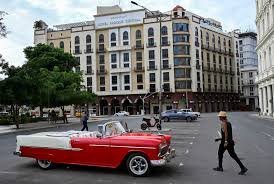
The impact is most visible in Old Havana, a UNESCO World Heritage site celebrated for its stunning colonial architecture. Now, the streets that once buzzed with international travelers are eerily quiet.
- n
- Staggering Statistics: In the first five months of 2026, only 360,000 tourists visited Cuba—a massive 58% drop compared to the previous year.
- The Regional Contrast: While Cuba struggles, its neighbor, the Dominican Republic, reported more than ten times the number of visitors in the same period.
- The Human Cost: Local artists and guides, who have spent decades entertaining visitors, now find themselves waiting hours for a single tourist to pass by.
The Paradox of Empty Hotels
Perhaps the most bitter symbol of this crisis is the abundance of vacant luxury hotels. For the last decade, the Cuban government bet its future on tourism, investing heavily in infrastructure while neglecting essential sectors like health, education, and agriculture.
Now, these gleaming resorts stand as monuments to a failed strategy. International hotel chains have abandoned the island due to sanctions targeting the Cuban military’s control over the sector. In a desperate attempt to save the industry, President Miguel Díaz-Canel has recently suggested allowing Cubans—both on the island and abroad—to manage these hotels.
“Who would want to travel to a country which is in such dire straits?” asks Lucy Davies, director of Cubania Travel. She notes that visiting Cuba today has almost shifted into the realm of “dark tourism.”
Is There a Way Back for Cuban Tourism?
Economists argue that simply changing management won’t be enough. The Cuban private sector lacks the massive capital and global supply-chain linkages required to run international-scale hotels. Without significant political concessions or a shift in U.S. policy, the path to recovery remains bleak.
For now, the island remains a place of immense beauty and untapped potential, waiting for the political storms to clear so that the world can once again experience the magic of Cuban culture and hospitality.



