
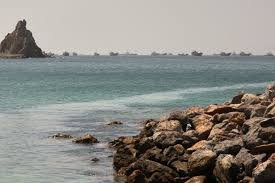
Tensions Peak in the Strait of Hormuz After Reported Tanker Strike
The global energy market and international security are on high alert following reports that a commercial oil tanker was struck by an unknown projectile while navigating the Strait of Hormuz. According to the UK Maritime Trade Operations (UKMTO), the incident occurred eight nautical miles east of Limah, Oman, causing a fire on the vessel’s port side. While no casualties or environmental disasters have been reported, the geopolitical implications are staggering.
Conflicting Narratives: Who is Responsible?
As is common in this volatile region, the accounts of the attack vary significantly between international intelligence and Iranian state media:
- n
- US Intelligence: Reports from The Wall Street Journal and Axios, citing US officials, suggest that Iran’s Islamic Revolutionary Guard Corps (IRGC) fired missiles at commercial ships transiting the strait.
- Iranian Perspective: The semi-official Fars News Agency claims a Qatari tanker was targeted after “ignoring repeated warnings” while attempting to use the so-called “Omani route.”
A Perfect Storm of Political Instability
This escalation does not happen in a vacuum. The attack coincides with several high-stakes events that make the Strait of Hormuz news particularly critical right now:
- NATO Summit in Ankara: The incident occurred just as US President Donald Trump departed for a critical security summit in Turkey, where the safety of the strait is a primary agenda item.
- Mourning in Tehran: Iran is currently observing funeral rites for its former supreme leader, Ayatollah Ali Khamenei, who was killed in a US-Israeli strike in February.
- Fragile Diplomacy: Negotiations between the US and Iran have been paused, leaving a power vacuum and increasing the risk of miscalculation.
The Strait of Hormuz: A Global Economic Bargaining Chip
Why does a single tanker attack cause global panic? The Strait of Hormuz is one of the world’s most strategic chokepoints. Before the current conflict, approximately 20% of the world’s crude oil flowed through this narrow waterway.
Tehran has frequently used the strait as leverage in diplomatic disputes. Recent tensions center around the “Omani route,” with the IRGC deploying patrol boats to block vessels that bypass Iranian-approved paths. This “tug-of-war” over maritime sovereignty directly impacts global oil prices and shipping insurance costs.
What Happens Next?
The future of regional stability hangs on a fragile Memorandum of Understanding (MoU). Iranian Foreign Minister Abbas Araghchi has warned that final negotiations will not resume as long as threats continue, citing the need for an end to all fighting—including conflicts in Lebanon.
Meanwhile, data from MarineTraffic shows that while vessel crossings remain steady, they are still significantly lower than pre-war averages. The UKMTO maintains that while the risk is lower than in previous years, “heightened vigilance” is mandatory for all crews crossing this crucial artery of global trade.



