
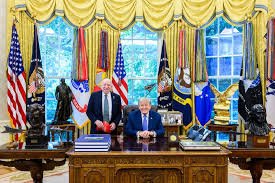
The Enigmatic Figure in Trump’s Inner Circle: Who is Peter Ticktin?
In the complex landscape of American politics, few figures are as polarizing as Peter Ticktin. An 80-year-old Florida-based attorney, Ticktin is not just a legal representative for some of the most controversial figures in the U.S., but also a self-proclaimed childhood best friend of Donald Trump, dating back to their days at the New York Military Academy.
While some view him as a fearless defender of the truth, others see him as a catalyst for conspiracy theories that challenge the foundations of democratic elections. From representing 2020 election deniers to pushing for drastic executive actions, Ticktin’s career is a whirlwind of legal drama and political intensity.
The Crusade Against the 2020 Election Results
Peter Ticktin has become a prominent voice in the movement that refuses to accept the legitimacy of the 2020 U.S. Presidential election. His narrative consistently centers on a global conspiracy, claiming that countries such as Venezuela, China, and Iran interfered to steal the presidency from Donald Trump.
Ticktin’s focus primarily revolves around electronic voting machines, specifically those from the U.S. Department of Justice‘s scrutinized sectors, including Dominion Voting Systems and Smartmatic. Despite multiple intelligence reports debunking these claims, Ticktin insists that evidence—potentially linked to the indictment of Nicolás Maduro—will soon surface to prove a “surreptitious overtaking” of the country.
Key Legal Battles and the ‘Free Tina’ Movement
One of Ticktin’s most notable recent victories was his involvement in the case of Tina Peters, the former Colorado clerk. Peters, who became a symbol for election deniers, was convicted of conspiring to breach voting systems. Through a combination of legal pressure and Trump’s influence, Peters eventually received a commutation from Colorado Governor Jared Polis.
Beyond Peters, Ticktin has represented a diverse and colorful array of clients, including:
- n
- Patrick Byrne: Former Overstock CEO and a leading figure in election fraud claims.
- January 6 Defendants: Various individuals convicted in the US Capitol riot.
- High-Profile Personalities: Including members of the Backstreet Boys and relatives of the Duchess of Sussex.
A ‘Cutting Edge’ Approach to Law or a Lack of Decorum?
Ticktin’s legal career is marked by a flair for the dramatic. While he claims to operate at the “cutting edge of the law,” his methods have frequently drawn the ire of judges. He has faced sanctions for making allegations that courts deemed “knowingly false” and has even been involved in physical altercations during legal proceedings.
One particularly shocking incident involved an altercation with opposing counsel, Eric Coomer’s lawyer, where surveillance footage allegedly showed Ticktin shoving the attorney. When questioned, Ticktin’s response was characteristically blunt, suggesting the other party deserved it.
How Much Influence Does He Actually Have?
While Ticktin claims to have an open line of communication with Donald Trump and has floated his name for high-ranking positions like Attorney General, the reality may be more nuanced. White House officials have suggested that Ticktin may overstate his current influence over policy decisions regarding elections and voting.
Regardless of his official standing, Ticktin continues to push for an executive order that would declare a national emergency over election interference, potentially seizing federal control of future midterms—a move that legal experts warn could trigger a severe constitutional crisis.
Conclusion: A Legacy of Controversy
Whether he is viewed as a loyal friend or a dangerous provocateur, Peter Ticktin remains a pivotal figure in the ongoing debate over election integrity in the United States. As he continues to file lawsuits and promote his theories, his actions reflect the deep polarization of the modern American political era.



