
Tornado Warning: Everything You Need to Know to Stay Safe During Severe Weather
When the sirens wail and your phone alerts go off, the urgency of a tornado warning can be overwhelming. Whether you live in “Tornado Alley” or an area where severe storms are becoming more frequent, knowing exactly how to react in seconds can make a life-saving difference.
Tornado Watch vs. Tornado Warning: Do You Know the Difference?
One of the most common points of confusion during severe weather is the distinction between a “watch” and a “warning.” While they sound similar, they require very different actions.
- n
- Tornado Watch: This means that weather conditions are favorable for the development of tornadoes. It is a signal to be prepared. Keep an eye on the sky, monitor local news, and ensure your emergency kit is ready.
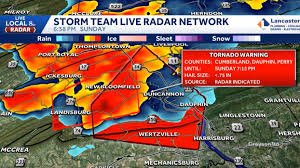
- Tornado Warning: This is a critical alert. It means a tornado has been sighted or indicated by weather radar. There is imminent danger to life and property. You must take shelter immediately.
What to Do Immediately During a Tornado Warning
When a tornado warning is issued for your area, every second counts. Follow these essential safety protocols to minimize risk:
1. Find Your Safe Space
Immediately move to the lowest level of your building. A basement or storm cellar is the safest option. If those aren’t available, move to an interior room on the lowest floor, such as a bathroom, closet, or interior hallway, away from windows.
2. Protect Your Head and Body
Use blankets, pillows, or even a mattress to protect yourself from flying debris, which is the leading cause of injury during tornadoes. If you have a helmet (like a bike or sports helmet), put it on.
3. Avoid Windows and Large Spans
Stay away from glass windows and doors. Avoid large open rooms like gyms or cafeterias, as the roofs of these structures are more likely to collapse.
Essential Emergency Preparedness Checklist
Preparation starts long before the clouds turn green. To ensure your family’s safety, maintain an emergency kit and a clear plan. According to guidelines from Ready.gov, your kit should include:
- n
- Water and Non-perishable Food: At least a three-day supply.
- Battery-Powered Radio: To receive updates from the National Oceanic and Atmospheric Administration (NOAA).
- First Aid Kit: Including essential medications and bandages.
- Flashlights and Extra Batteries: Avoid using candles during a storm due to potential gas leaks.
- Portable Power Bank: To keep your communication devices charged.
Staying Informed: Reliable Sources
In the digital age, misinformation can spread quickly. For the most accurate and real-time updates during a tornado warning, rely on official government sources and certified meteorologists. Enable “Wireless Emergency Alerts” (WEA) on your smartphone to ensure you receive critical notifications regardless of your network provider.
Remember: When the warning sounds, don’t wait to see the tornado. Move to safety immediately.



