Shark Attack at Jones Beach: What You Need to Know About New York’s Recent Sightings
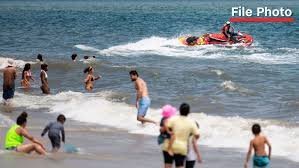
Unexpected Encounter: Shark Attack Reported at Jones Beach
What started as a refreshing dip in the ocean turned into a frightening experience for one swimmer at Jones Beach State Park. On Friday, authorities reported a suspected shark attack at Field 6, where a swimmer suffered lacerations to their foot.
Lifeguards acted swiftly, providing immediate assistance before an ambulance transported the victim to a local hospital. Fortunately, medical officials have confirmed that the injuries are non-life-threatening. While the incident caused a temporary stir, swimming was resumed after a thorough search by officials, although restrictions were put in place, limiting swimmers to waist-deep water.
A Wave of Sightings Across New York and Long Island
The incident at Jones Beach isn’t an isolated event. In recent days, New York’s coastlines have seen a spike in shark activity. From Rockaway Beach in Queens to Point Lookout on Long Island, sightings have prompted intermittent beach closures and urgent warnings from the NYC Emergency Management department.
Several factors are contributing to this increase in reported encounters:
- n
- Record-Breaking Heat: Intense heatwaves across the eastern United States have drawn massive crowds to the shore, increasing the probability of human-shark interactions.
- Enhanced Surveillance: Authorities are now utilizing advanced drone technology to monitor waters, making it much easier to spot sharks that would have otherwise gone unnoticed.
Understanding the Risk: Are the Beaches Safe?
Despite the headlines, experts urge the public not to panic. While sightings are on the rise, actual shark attacks remain incredibly rare. Gavin Naylor, director of the shark research program at the Florida Museum of Natural History, notes that there are typically only 60 to 80 known unprovoked bites globally each year.
The likelihood of multiple people being bitten in the same area is extremely low. Most sharks are not hunting humans; they are simply navigating their natural habitats, which often overlap with popular swimming spots during peak summer months.
Essential Beach Safety Tips
To ensure a safe summer experience, beachgoers are encouraged to follow these guidelines provided by marine safety experts:
- n
- Heed the Warnings: Always follow the instructions of lifeguards and respect beach closure signs.
- Avoid High-Risk Times: Be extra cautious during dawn and dusk, when sharks are often more active.
- Avoid Splashing: Excessive splashing or erratic movements can mimic the vibrations of distressed prey.
- Stay in Groups: Sharks are less likely to approach groups of people than solitary swimmers.
For more detailed information on marine life and safety protocols, you can visit the World Wildlife Fund (WWF) to learn more about shark conservation and behavior.
📰 You May Also Like