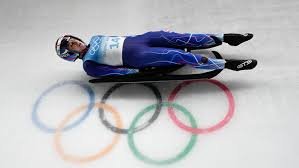
Doubles Luge: A Deep Dive into the Fastest Sport on Ice
WASHINGTON — As the 2026 Winter Olympics approaches, the spotlight is shining brightly on some of the most exhilarating competitions on snow and ice. Among these, doubles luge stands out as a particularly thrilling and popular event. But what exactly *is* luge, and what makes it so captivating?
What is Luge?
Luge is a winter sport where athletes race down an icy track on a small sled, feet-first and supine (lying on their back). Often considered the fastest sport on ice, lugers can reach speeds exceeding 80 mph! It’s a test of courage, precision, and physical control. The sport debuted at the Winter Olympics in 1964 and has been a staple ever since.
Events in Luge
Luge encompasses several different events:
- Men’s Singles: Athletes complete four runs over two days, with the fastest combined time determining the winner.
- Women’s Singles: Similar to men’s singles, athletes compete in four runs over two days.
- Doubles Luge: Teams of two complete two runs in a single day. This event requires incredible synchronization and trust between the athletes.
- Team Relay: Introduced in 2014, the team relay combines three sleds – a woman’s single, a man’s single, and a doubles sled. Athletes tag each other at the finish line by touching a pad, creating a dynamic and fast-paced competition.
The Luge Sled and Technique
The luge sled itself is a marvel of engineering – small, lightweight, and equipped with steel blades called “steels.” Lugers steer not with brakes (luge sleds have none!), but through subtle body movements. They shift their weight, press with their calves and shoulders, and pull on handles attached to the sled. Even the slightest adjustment can alter the sled’s direction as the runners respond to leg pressure. This requires years of training and a deep understanding of the track.
Athletes wear specialized equipment, including helmets, tight suits, and spiked gloves, to maximize aerodynamics and provide grip during the initial push-off. Races are timed to the thousandth of a second, highlighting the incredible precision required.
A History of German Dominance
Historically, Germany has been the dominant force in Olympic luge, accumulating a remarkable number of gold medals across all events since the sport’s inception. Their consistent success is a testament to their rigorous training programs and dedication to the sport. You can learn more about the history of the Olympics at Olympics.com.
Where to Watch
Stay tuned to NBC Olympics for comprehensive coverage of luge events during the 2026 Winter Olympics. For local news and updates, download the KARE 11 app to stream on your phone.