
Sizzling Summer: Washington DC Braces for a Record-Breaking Extreme Heat Wave
As the United States prepares for Fourth of July celebrations, a menacing Washington DC extreme heat wave is taking center stage. What was supposed to be a weekend of fireworks and festivities has turned into a battle against blistering temperatures and oppressive humidity that are pushing the Mid-Atlantic region to its limits.
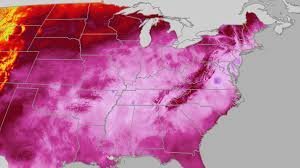
According to the National Weather Service (NWS), a massive heat dome has locked itself over the Midwest and East Coast, putting over 165 million Americans at risk of major or extreme heat-related health issues. From the I-95 corridor to the heart of the capital, the atmosphere has become a pressure cooker.
Dangerous Benchmarks: When Records Fall
Washington DC is currently flirting with dangerous milestones. The city is approaching its all-time record high of 106 degrees Fahrenheit. But it isn’t just the daytime peaks that are worrying meteorologists; it is the lack of relief at night.
In cities like Washington DC, Philadelphia, and New York, overnight lows are struggling to drop below 80 degrees. This phenomenon prevents the human body from recovering from daytime heat stress, significantly increasing the risk of heatstroke and exhaustion.
The Regional Impact: A Coast-to-Coast Crisis
- n
- New York City: Recently entered the “Century Club,” hitting 100 degrees for the first time since 2012.
- Philadelphia: Facing similar record-shattering streaks of triple-digit heat.
- The Midwest: Cities like St. Louis and Kansas City are experiencing heat indices that make outdoor exposure outright dangerous.
Why This Heat Wave is Different
The combination of extreme humidity and high temperatures creates a “heat index”—what it actually feels like to the skin—that can soar above 110 degrees in parts of the Mid-Atlantic. The NWS has issued numerous extreme heat warnings, distinguishing between “advisories” (unusual heat) and “warnings” (imminent life-threatening conditions).
For more detailed guidelines on protecting yourself, the CDC’s Heat Safety Guide provides essential tips on hydration and recognizing the signs of heat exhaustion.
When Will Relief Arrive?
For those enduring the Washington DC extreme heat wave, there is a light at the end of the tunnel. Forecasters suggest that the heat dome may shift westward by next Monday or Tuesday, bringing a slight dip in temperatures to the mid-Atlantic states.
Until then, officials urge residents to stay indoors, utilize air conditioning, and check on elderly neighbors. The battle against the mercury continues, and staying informed through the National Weather Service is the best way to stay safe during this historic weather event.



