
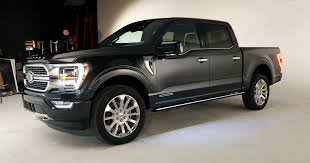
Ford Recalls: Everything You Need to Know to Stay Safe on the Road
Owning a vehicle is about more than just getting from point A to point B; it is about the safety and security of everyone inside the cabin. When a manufacturer issues Ford recalls, it is a critical signal that a component may not meet safety standards or regulatory requirements. Whether it is a minor software glitch or a significant mechanical issue, staying informed is the best way to prevent accidents.
In this guide, we will walk you through what you need to know about vehicle recalls, how to identify if your car is affected, and the steps you should take to ensure your vehicle is road-worthy.
Why Do Ford Recalls Happen?
Recalls occur when a manufacturer or a regulatory body identifies a defect that could pose a risk to the driver, passengers, or pedestrians. These issues can range from:
- n
- Airbag malfunctions: Ensuring deployment happens correctly during a collision.
- Engine or Transmission flaws: Preventing unexpected stalls or power loss.
- Braking system defects: Ensuring consistent stopping power under all conditions.
- Software bugs: Updating the vehicle’s computer to optimize performance and safety.
How to Check if Your Ford Vehicle is Recalled
You don’t have to guess whether your vehicle is safe. The most accurate way to verify the status of your car is by using your Vehicle Identification Number (VIN). The VIN is a unique 17-character code found on your dashboard (visible through the windshield) or on your driver’s side door jamb.
To check for active recalls, you can use the following official resources:
- Ford Official Website: Visit the official Ford owner’s portal to enter your VIN and see pending service actions.
- Transport Canada: For Canadian drivers, Transport Canada provides a comprehensive database of safety recalls affecting vehicles in the country.
- NHTSA: The National Highway Traffic Safety Administration is another high-authority source for checking safety alerts.
What to Do If Your Vehicle Is Affected
If you discover that your vehicle is part of a recall, do not panic. Follow these structured steps to resolve the issue efficiently:
- Contact Your Local Dealer: Reach out to an authorized Ford dealership. They are equipped with the specific parts and expertise required for the fix.
- Schedule a Free Repair: By law, safety recalls are performed free of charge for the consumer. You should not pay for the labour or parts associated with a safety recall.
- Review the Urgency: Some recalls are “urgent” (meaning you should stop driving the vehicle immediately), while others are “scheduled” (meaning it can wait until your next service appointment). Always read the notice carefully.
The Importance of Regular Maintenance
While recalls address manufacturing defects, regular maintenance prevents wear-and-tear failures. Combining recall checks with routine oil changes, brake inspections, and tire rotations ensures that your Ford remains reliable for years to come.
Stay proactive. Check your VIN today and drive with the peace of mind that your vehicle is operating at its safest capacity.



