
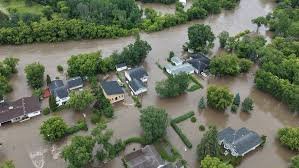
Understanding the Challenge of Western Manitoba Floods
For residents of the prairies, the arrival of spring often brings a mixture of excitement and anxiety. While the blooming landscapes are welcome, Western Manitoba floods remain a recurring challenge that tests the resilience of local communities, farmers, and infrastructure. From sudden snowmelts to heavy spring rainfall, the geographical layout of the region makes it particularly susceptible to rising water levels.
Whether you are a long-term resident or new to the province, understanding the dynamics of flooding in this region is crucial for safety and economic stability.
Why Does Western Manitoba Experience Frequent Flooding?
Several environmental and geographical factors contribute to the flood risk in Western Manitoba. The region is characterized by relatively flat terrain and a complex network of rivers and lakes, including the massive Lake Manitoba.
- n
- Rapid Spring Melt: A heavy winter snowpack combined with a sudden temperature rise can lead to massive runoff that overwhelms local drainage systems.
- Heavy Rainfall: Unexpected spring storms often saturate the ground, leaving nowhere for additional water to go.
- Geographical Basins: Much of the land in Western Manitoba acts as a natural basin, collecting water from surrounding areas.
The Impact on Local Communities and Agriculture
The consequences of Western Manitoba floods extend far beyond wet basements. The agricultural sector, a backbone of the Canadian economy, often bears the brunt of the damage. Flooded fields lead to delayed planting seasons, crop failure, and significant financial losses for family farms.
Beyond the farms, infrastructure such as rural roads and bridges often suffer structural damage, isolating small communities and complicating emergency response efforts. The psychological toll of uncertainty during the “flood season” is also a significant factor for many residents.
How to Prepare and Stay Safe During a Flood
Preparation is the best defense against the unpredictability of nature. If you live in a high-risk area, taking proactive steps can significantly reduce potential damage.
Essential Preparation Checklist:
- Monitor Official Alerts: Keep a close eye on Environment Canada for real-time weather warnings and flood watches.
- Create an Emergency Kit: Include non-perishable food, water, a first-aid kit, flashlights, and important documents in waterproof containers.
- Protect Your Property: Install sump pumps, clear gutters, and use sandbags in vulnerable entry points of your home.
- Develop an Evacuation Plan: Ensure every family member knows the safest route to higher ground and has a designated meeting point.
Government Mitigation and Future Outlook
The Government of Manitoba continues to invest in flood mitigation strategies to protect its citizens. This includes the maintenance of dikes, the improvement of water diversion channels, and the implementation of advanced hydrological modeling to predict flood patterns more accurately.
For the most current information on water levels and provincial responses, residents are encouraged to visit the official Government of Manitoba portal.
Final Thoughts
While Western Manitoba floods are a formidable challenge, a combination of community preparedness, government investment, and vigilance can minimize the risks. By staying informed and prepared, Manitobans can continue to thrive despite the seasonal volatility of their environment.



