
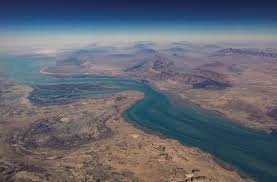
Strait of Hormuz Shipping Surge: What Today’s Latest News Means for Global Oil Supply
The Strait of Hormuz, one of the world’s most critical maritime chokepoints, is currently witnessing a volatile shift in traffic patterns. Recent data reveals a sudden spike in merchant vessel activity, raising questions about the stability of global energy supply chains and the geopolitical tensions simmering in the region.
A Sudden Spike in Maritime Traffic
According to the latest data from Kpler, there has been a significant increase in the volume of merchant ships traversing the Strait. Between June 22 and June 28, a total of 343 merchant ships crossed the strait in both directions. This represents a sharp climb compared to the 223 ships recorded in the previous week (June 15-21).
To put this into perspective, the daily average jumped to 49 ships per day, marking a 50% increase over the prior week. However, this upward trend appears fragile. On June 29, traffic dipped to just 40 ships, falling below the previous weekly average and signaling continued instability in the region.
The Strategic Importance of the Strait
Why does a fluctuate in ship numbers matter so much? The Strait of Hormuz is not just a waterway; it is the jugular vein of the global economy. Here are the key reasons why this route is vital:
- n
- Oil Dominance: Approximately 20% of the world’s total crude oil exports pass through this narrow corridor.
- Energy Security: Any disruption here leads to immediate price spikes in global oil markets, affecting everything from gasoline prices to industrial manufacturing.
- Historical Volume: Before the conflicts that erupted in February 2026, the strait saw an average of 130 merchant ships daily—a far cry from the current volatile numbers.
Geopolitical Leverage and Global Tension
The fluctuations in traffic are rarely just about logistics; they are often reflections of geopolitical maneuvering. Iran continues to view its influence over the Strait of Hormuz as a primary strategic asset. By consolidating control over this waterway, Tehran aims to create significant leverage in its complex and often tense negotiations with the United States.
As the international community monitors these shipping lanes, the interplay between maritime data and political diplomacy remains the key to predicting the next move in the global energy market. For more real-time updates on global trade and energy, you can follow reports from Reuters.
Final Thoughts
While the 50% increase in traffic is a positive sign for short-term flow, the subsequent dip reminds us that the Strait of Hormuz remains a high-risk zone. For investors and policy-makers, the message is clear: stability in the Middle East is synonymous with stability in the global economy.



