
Snow Storm Weather Forecast: Your Ultimate Guide to Staying Safe and Prepared
Winter can be magical, but when a major snow storm weather forecast hits the news, the magic quickly turns into a challenge. Whether you live in a region prone to heavy blizzards or you are visiting a cold climate, knowing how to interpret weather alerts and prepare your home can make all the difference between a cozy winter day and a dangerous situation.
Understanding Your Snow Storm Weather Forecast
Not all weather alerts are created equal. When tracking a snow storm, it is crucial to understand the terminology used by meteorologists to gauge the level of urgency:
- n
- Winter Storm Watch: Conditions are favorable for a significant winter storm. It doesn’t mean it will definitely happen, but you should stay alert.
- Winter Storm Warning: A major snow event is occurring or imminent. This is the time to take immediate action and avoid unnecessary travel.
- Blizzard Warning: The most severe alert, characterized by sustained winds of 35 mph or higher and visibility of less than a quarter mile for at least three hours.
Top Tools for Accurate Weather Tracking
To get the most reliable snow storm weather forecast, avoid relying solely on generic apps. Instead, use high-authority sources that provide real-time satellite data and expert analysis:
- National Weather Service (NWS): The gold standard for official government alerts in the US.
- The Weather Channel: Excellent for hyper-local hourly forecasts and interactive radar maps.
- Local News Outlets: Local meteorologists often have a better handle on the specific topography of your area.
Essential Winter Safety Checklist
When the forecast predicts heavy accumulation, don’t wait until the first flake falls to prepare. Follow this essential checklist:
1. Home Preparation
- Seal the Drafts: Ensure windows and doors are properly sealed to keep heat in and cold air out.
- Check Your Heating: Service your furnace or heater before the peak of winter to avoid breakdowns during a storm.
- Emergency Kit: Stock up on non-perishable food, water, flashlights, extra batteries, and a first-aid kit.
2. Vehicle Readiness
- Winter Tires: If you live in a high-snow area, switch to winter tires for better traction.
- Emergency Car Kit: Keep a blanket, a shovel, sand or kitty litter (for traction), and a portable jump starter in your trunk.
- Fuel Level: Always keep your gas tank at least half full to avoid freezing fuel lines and to ensure you can keep the engine running for heat if stranded.
What to Do During a Major Blizzard
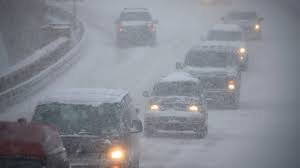
Once the storm arrives, the best strategy is often to stay put. According to Ready.gov, the most dangerous part of a snow storm is often the travel. Avoid driving unless absolutely necessary, as whiteout conditions can lead to disorientation and accidents.
If you must go outside, dress in layers. Start with a moisture-wicking base layer, add an insulating middle layer (like fleece), and finish with a waterproof outer shell to protect against wind and wet snow.
Final Thoughts
Staying informed through a reliable snow storm weather forecast is your first line of defense against the elements. By understanding the warnings, utilizing professional tracking tools, and preparing your home and vehicle, you can navigate the winter season with confidence and safety.



