Understanding Cholesterol: Your Complete Guide to a Healthier Heart
When we hear the word cholesterol, many of us immediately think of something negative. We associate it with clogged arteries, heart disease, and restrictive diets. However, the truth is more nuanced. Cholesterol is actually a vital substance—a waxy, fat-like compound that your body needs to build cells, produce hormones, and synthesize vitamin D.
The problem arises when the balance shifts. To take control of your health, it is essential to understand how cholesterol works and how you can manage it effectively.
The Good vs. The Bad: What is HDL and LDL?
Cholesterol doesn’t travel through your blood on its own; it is carried by proteins called lipoproteins. This is where the distinction between “good” and “bad” cholesterol comes in:
- n
- LDL (Low-Density Lipoprotein): Often called the “bad” cholesterol. High levels of LDL can lead to a buildup of plaque in your arteries, increasing the risk of heart disease and stroke.
- HDL (High-Density Lipoprotein): Known as the “good” cholesterol. HDL acts as a scavenger, carrying LDL cholesterol away from the arteries and back to the liver, where it is broken down and removed from the body.
For a detailed breakdown of these levels, you can visit the Mayo Clinic’s guide on high blood cholesterol.
Why High Cholesterol is a Silent Risk
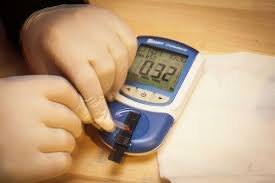
One of the most dangerous aspects of high cholesterol is that it typically has no symptoms. You can feel perfectly healthy while plaque is slowly narrowing your arteries (a process called atherosclerosis). This is why regular blood tests—known as lipid panels—are crucial for early detection and prevention.
Practical Tips to Lower Your Cholesterol Naturally
The good news is that cholesterol levels are highly manageable through lifestyle changes. Here are the most effective strategies to keep your heart in top shape:
1. Prioritize Heart-Healthy Fats
Replace saturated fats (found in red meats and full-fat dairy) and trans fats with unsaturated fats. Focus on:
- n
- Omega-3 Fatty Acids: Found in salmon, walnuts, and flaxseeds.
- Avocados and Olive Oil: Excellent sources of monounsaturated fats.
2. Increase Soluble Fiber
Soluble fiber reduces the absorption of cholesterol into your bloodstream. Incorporate more of these into your daily meals:
- n
- Oats and barley
- Beans, lentils, and chickpeas
- Fruits like apples, pears, and citrus fruits
3. Stay Active
Regular physical activity helps raise your HDL (good) cholesterol. Aim for at least 150 minutes of moderate aerobic activity per week, such as brisk walking, swimming, or cycling. For more guidelines on heart health, the American Heart Association provides excellent resources.
4. Quit Smoking and Limit Alcohol
Smoking damages your blood vessels and lowers your HDL levels. Quitting is one of the fastest ways to improve your cardiovascular profile.
Final Thoughts
Managing your cholesterol is not about perfection; it is about consistency. By making small, sustainable changes to your diet and activity levels, you can significantly lower your risk of heart disease and improve your overall quality of life.
Disclaimer: This content is for informational purposes only and does not constitute medical advice. Always consult with a healthcare professional before starting a new diet or exercise regimen.