
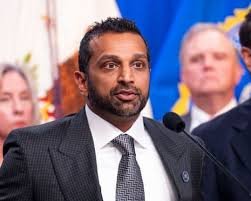
Controversy Erupts Over Kash Patel’s Premature Disclosure of UFC Attack Plot
The FBI is currently embroiled in a heated internal debate after Director Kash Patel allegedly bypassed legal constraints and disciplinary codes. At the center of the storm is the premature disclosure of arrests related to a foiled plot to attack a high-profile Ultimate Fighting Championship (UFC) event held at the White House.
According to FBI veterans, Patel may have “jumped the gun” by sharing sensitive details on social media before the investigation was officially unsealed, potentially jeopardizing the entire legal process.
The Social Media Leak: Transparency or Recklessness?
On June 16, shortly after the White House cage match, Kash Patel took to X (formerly Twitter) to announce that five individuals suspected of planning a drone and explosives attack had been “stopped cold.” While the announcement was framed as a victory for the Department of Justice and the FBI, law enforcement insiders tell a different story.
The primary issue? The investigation was reportedly sealed by a court order. Under U.S. federal law, publicizing information regarding sealed cases without formal authorization is strictly prohibited. Critics argue that while Patel praised the “rapid action” of the bureau, he did so while agents were still actively searching for additional suspects.
The Secret Service Reacts: “Don’t Choke on Your Own Smoke”
The tension wasn’t limited to the FBI. The Secret Service, which led the investigation from the start, expressed implicit frustration. Matt Quinn, the deputy director of the Secret Service, offered a sharp critique to journalists, stating:
“I’ll tell you a phrase I learned early in my career… ‘Don’t choke on your own smoke.’ In order to maintain the integrity of the investigation and the security plan, we chose not to leak it.”
A Pattern of Premature Publicity
This incident is not an isolated case. FBI veterans, including former counterterrorism lead Lauren Anderson, suggest that Patel has a consistent appetite for “social media wins” over investigative diligence. Other notable instances include:
- n
- The Charlie Kirk Case: Patel announced a suspect’s detention in the murder of the conservative activist, only to reverse the statement ninety minutes later when the individual was released without charge.
- Brown University Shooting: A premature post about a “person of interest” occurred just before another shooting took place in Massachusetts, highlighting the dangers of leaking information during an active threat.
- ICE Facility Shooting: Patel was criticized for posting photographic evidence of a crime scene in Dallas before the investigation was complete.
The Legal and Operational Risks
Beyond the optics, the Kash Patel UFC plot disclosure carries severe legal implications. Legal experts and former agents warn that these actions provide defense counsel with ammunition to challenge prosecutions. Furthermore, former analyst Philip Field warns that such leaks create a “false sense of security” within the public, potentially leading people to resume normal activities while threats still persist.
While Patel defends his actions as a commitment to “transparency,” his critics argue that the Director is prioritizing his personal brand over the discreet traditions and operational security of the FBI.
Conclusion: Integrity vs. Image
The clash between traditional intelligence gathering and the modern demand for instant social media updates has reached a breaking point at the FBI. Whether this will lead to a formal inquiry by the Office of Professional Responsibility remains to be seen, but the divide between the FBI’s leadership and its veteran agents has never been wider.



